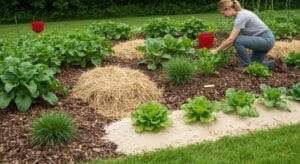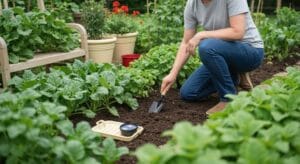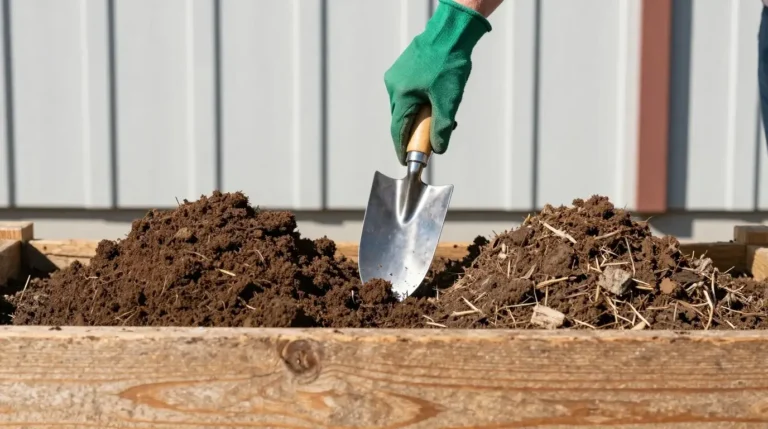

If you’ve ever looked at your garden soil feeling like it needs a little something extra, you’ve probably landed on the age-old debate: compost vs manure for garden soil. It’s a fundamental question for any home gardener looking to boost soil health, and honestly, both options have some serious superpowers.
Think of it this way: compost is the long-term foundation builder, offering slow, steady improvements. Manure, especially when aged, is more like a fast-acting energy drink for your plants, delivering concentrated nutrients right away.
My goal today is to demystify this choice. We’ll look at their nutritional kick, how they affect those tiny soil workers, and when you should pick one over the other (or, as I often do, use both!). Let’s dig into what makes each a great soil amendment.
Key Takeaways: Compost vs Manure at a Glance
- Compost improves soil structure improvement gradually, enhancing microbial diversity and providing a balanced nutrient profile (usually a low NPK ratio) for sustained plant growth.
- Aged manure offers a quick nutrient boost, delivering significant nitrogen, phosphorus, and potassium, making it useful for thirsty crops.
- For safety, manure must be aged for at least 90 days, whereas compost requires a proper balance of “green” and “brown” materials for successful decomposition.
- Homemade compost is often the most budget-friendly option, while bagged manure can be pricey and carries contamination risks if not sourced correctly.
- Both greatly enhance soil structure and moisture retention, which is the bedrock of a happy, productive garden.
Understanding Compost: Benefits and Drawbacks
When it comes to gardening, understanding compost feels like accessing a treasure chest of benefits—if you know how to use it right.
Compost is essentially decomposed organic matter, like your kitchen scraps and yard waste transformed by nature. It fundamentally changes your dirt for the better, creating rich soil that supports healthy plants while dramatically improving its ability to hold onto water.
The trick to great compost is balancing those “green” materials (nitrogen sources, like fresh grass clippings) against “brown” materials (carbon, like dried leaves). This ratio is crucial for effective decomposition.
Balancing green materials, like grass clippings, with brown materials, such as dried leaves, is essential for effective composting.
Now, while homemade compost is often practically free (just time and effort!), bagged, quality compost can certainly be pricey. Bulk suppliers are often worth checking out if you need large volumes.
The main drawback? Its nutrient content is less predictable. Your resulting benefits of compost depend entirely on what you put into the pile. However, its long-term sustainability and reliable nutrient release generally make it a fantastic soil amendment.
Exploring Manure: Nutritional Value and Risks
When we look at enriching garden soil, manure often comes up. While it can get a bad rap, well-managed manure is absolutely a powerhouse of nutrition.
Specifically, aged manure packs a serious punch of nitrogen, phosphorus, and potassium (NPK), which fuels rapid, vigorous plant growth. This is why fresh applications give such noticeable results quickly.
But here’s the safety warning: Fresh manure can contain weed seeds, pathogens, and too much raw nitrogen, which can actually burn your plants! That’s why almost everyone in the know recommends only using aged manure vs compost for plants.
Also, remember that over-application is a real issue here. Too much can lead to nutrient runoff, which impacts local waterways. Always test your soil first to see where your baseline is before you decide how much manure in garden soil is appropriate.
Comparing Nutrient Profiles: Compost vs. Manure
When I compare the compost NPK vs manure NPK, it’s like choosing between a gentle, steady stream of water versus a powerful fire hose. Both are water, but timing and force matter immensely.
Compost generally offers a lower, more balanced range, perhaps with an NPK ratio hovering between 0.5 to 3.5 (total nutrients). This slow release promotes overall soil health rather than just a sudden growth spurt.
Manure, however, is where the big numbers live. This concentrated fertilizer value means you use less volume for the same nutrient impact, but you must manage that intensity. Understanding these differences helps me figure out how to use them together effectively, giving my plants the very best of both worlds.
Specific Nutrient Content Comparison
While both amendments enrich your soil, understanding their specific nutrient weight is key. Compost usually offers that steady, low NPK range of 0.5 to 3.5, depending entirely on its source materials.
Manure, on the other hand, is highly concentrated. For example, chicken manure can boast an NPK ratio of roughly 1-0.8-0.5. Rabbit manure is often richer still, around 4-1.4-0.6, which is excellent if you are growing heavy feeders like your leafy greens.
| Amendment | Typical N-P-K Range | Pace of Release |
|---|---|---|
| Finished Compost | 0.5 – 3.5 (Low to Moderate) | Slow and steady |
| Aged Chicken Manure | ~1.0 – 0.8 – 0.5 (Higher) | Moderate to Fast |
| Aged Cow Manure | ~0.25 – 0.15 – 0.25 (Low) | Slow (Great for structure) |
Even aged cow manure, which is lower in NPK, works wonders just by conditioning the soil texture and adding organic bulk.
Microbial Diversity Impact
Understanding how microbial diversity impacts your garden’s health can feel a bit like plunging into a science experiment, but trust me, it’s essential for long-term soil vitality!
In the compost vs manure showdown for microbes, compost usually takes the top spot. Its highly varied source ingredients produce a richer, more complex community of beneficial microbes during the breakdown process.
These microbes are vital for breaking down materials and making nutrients available slowly. While well-composted manure certainly introduces good guys, raw or under-composted sources risk introducing pathogens. Compost’s steady microbial life creates a much more stable environment for your plants to settle into.
Best Practices for Using Compost and Manure
Using both compost and aged manure effectively can feel daunting, but once you establish a few simple routines, it becomes second nature. I’ve refined my approach over many seasons, and these quick checks always pay off.
First, when making compost, stick strictly to balancing those green and brown materials. This ensures a balanced, hot decomposition process that kills off weed seeds and pathogens before you ever spread it.
Regarding manure, the absolute golden rule is timing. Always ensure your manure is fully composted or aged manure vs compost for plants should be avoided. I mandate at least 90 days of aging before it touches food crops. Fresh manure is just too aggressive.
Regularly turning your compost pile helps aerate it, which speeds up the beneficial decomposition. And please, always remember to test your soil nutrient levels before heavily amending with manure to prevent nutrient imbalance or runoff.
When to Choose Compost, Manure, or Both for Optimal Soil Health
Knowing when to reach for compost, manure, or a potent combination of both makes a significant difference in your garden’s success rate. It’s not always an either/or scenario; often, the best gardening relies on synergy.
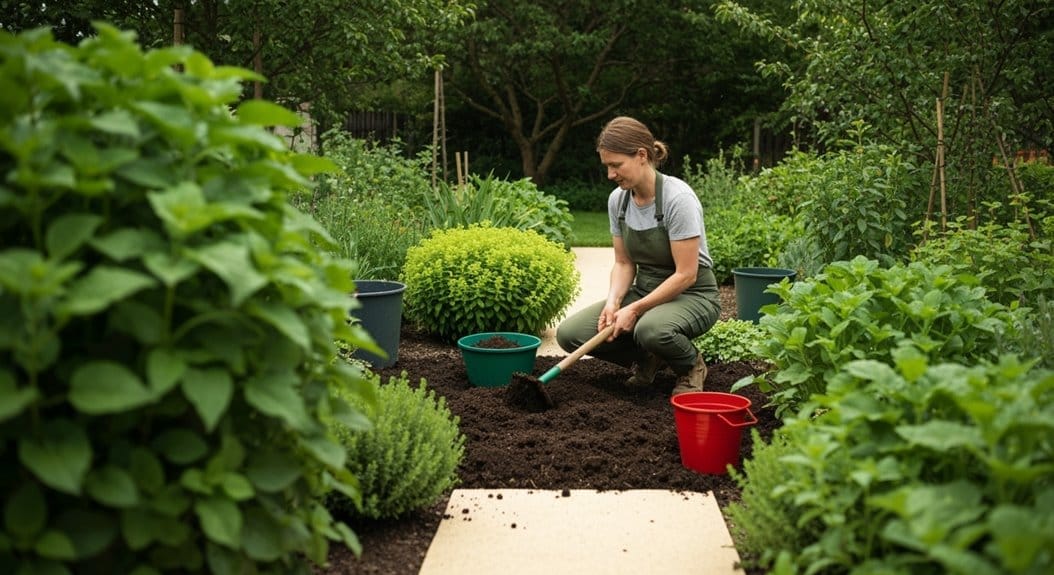
If your primary goal is long-term soil health, water retention, and building better texture, compost is your champion. It improves aeration by creating fantastic soil structure improvement.
If you are facing a nutrient-hungry crop—say, you’re planting a summer crop of corn or you noticed last year’s tomatoes flagged early—aged manure is an excellent choice for that fast nitrogen kick. Just remember that crucial 90- to 120-day aging rule!
Frankly, the optimal answer for thriving yields is usually to layer them. Try incorporating compost into the general bed structure, and then side-dressing nutrient-heavy areas with a light application of aged manure a few weeks after transplanting.
Addressing Cost-Effectiveness: Making vs. Buying
Here’s where we address a common gap: the actual cost. If you have the space and time, making your own compost offers incredible value—it’s essentially converting free waste into gold. This is generally the most cost-effective approach to continuous soil care.
Buying manure presents a different calculation. While you save on time, you pay a premium for the labor involved in sourcing, composting (or aging) it to safe standards, and transportation. If you’re committed to organic gardening, verify that bagged manure hasn’t been treated with persistent herbicides, which can contaminate your entire garden for years.
For small gardens, high-quality bagged compost is often easier to manage than sourcing multiple tons of aged manure. For larger plots, hauling in bulk compost or manure usually wins on price per yard, provided you have a reliable supplier.
When NOT to Use Manure in Your Garden
We’ve established manure is a powerhouse, but there are specific times to hold off. Following organic certification guidelines is the most common reason: many standards prohibit the application of raw or insufficiently composted manure within a specified timeframe (often 90 to 180 days) before harvest.
Furthermore, think about the pH needs of your plants. Manure, especially from herbivores, can sometimes be alkaline. While compost tends to buffer pH changes, heavy use of manure around acid-loving plants like blueberries or azaleas could raise the soil pH beyond their comfort zone. In these cases, stick primarily to balanced organic compost.
Frequently Asked Questions
Is compost or manure better for a garden?
I lean towards compost as the superior soil amendment for long-term health because it builds structure and improves microbial diversity predictably. However, manure is better if your soil is currently deficient in nitrogen and needs an immediate boost for heavy feeders.
Which vegetables do not like manure?
It’s a bit counterintuitive, but root vegetables (like carrots or potatoes) can sometimes develop strange shapes if planted directly into heavy, fresh manure, as the rapid growth can distort their structure. Leafy greens benefit most from manure, but even they need it aged to prevent scorching.
How long to age manure before using?
The safest minimum aging time for virtually any animal manure used on vegetable gardens is 90 days, provided the pile reached thermophilic temperatures (over 131°F) during composting. If you cannot guarantee it reached those temperatures, plan for 6 to 12 months of aging before applying it near edible crops.
Should I mix manure with garden soil?
Yes, incorporating aged manure into your garden soil is highly beneficial! I recommend mixing it throughout the top 6 to 8 inches of soil when preparing a new bed. It mixes well and enhances fertility, but moderation is always key to avoid the nutrient imbalance trap.
So, which is it—compost vs manure? Honestly, the best choice depends entirely on what your garden is asking for at that moment. Compost is the steady hand, building resilient soil structure improvement and welcoming beneficial microbes.
Manure is the powerful additive, offering a concentrated nutritional injection, but it demands respect, age curing, and moderation. My advice? Learn what your soil needs, and use the right tool for the job. Or, even better, use both in concert to unlock fantastic growth potential!
Happy gardening, and may your soil stay rich and welcoming!