Category Compost & Soil

Compost vs Manure for Garden Soil: Which Wins?
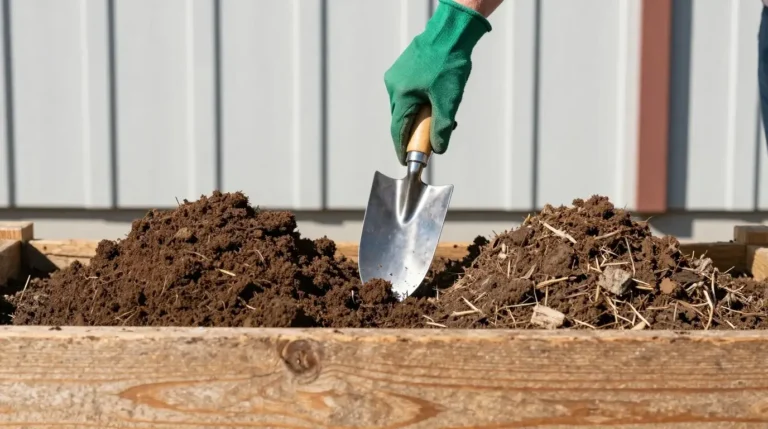
A gardener's gloved hand holding a trowel between two piles of soil amendment, comparing compost versus manure in a wooden raised garden bed.

Compost excels for long-term soil structure improvement and microbial diversity, while aged manure provides rapid nutrient release via higher NPK ratios for garden soil. Compost typically ranges 0.5-3.5 NPK with slow availability; manure like chicken hits ~1-0.8-0.5 but requires 90+ days aging to eliminate pathogens. Read on to learn best uses and combinations.
5 Best Mulches for Vegetable Gardens: Ultimate Guide!

top vegetable garden mulches

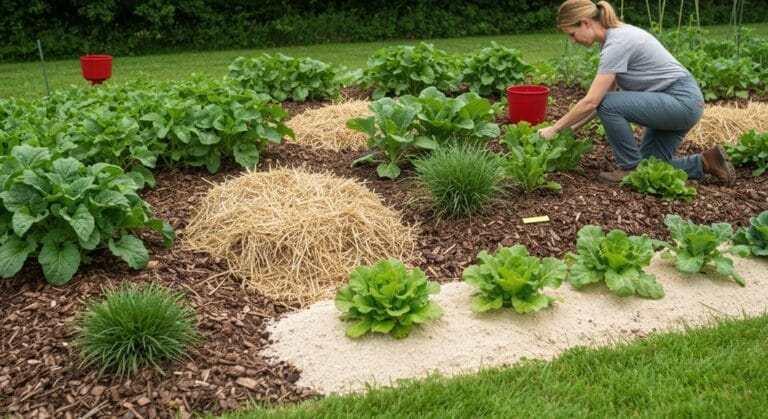
The best mulches for vegetable gardens are compost, grass clippings, straw, wood chips, and shredded leaves for superior weed suppression, soil moisture retention, and nutrient enrichment. These organic options decompose to improve soil structure and aeration. Apply 2-4 inches thick for optimal results. Read on to compare each type in detail.

Easy Ways to Test Garden Soil at Home for Lush Growth

home soil testing methods

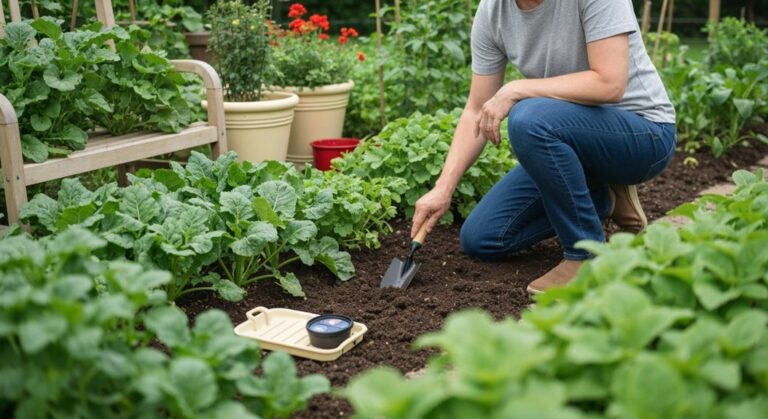
Testing garden soil at home involves using commercial kits, digital pH meters, or DIY vinegar and baking soda tests to measure pH and assess texture, nutrients, and earthworm activity. Ideal pH for most plants is 6.0-7.0, ensuring nutrient availability. Collect samples from multiple garden spots for accuracy. Read on to master these methods and improve your soil.

Solve Garden Drainage Issues: 7 Proven DIY Fixes

effective garden drainage solutions

Garden drainage issues occur when water fails to infiltrate soil or run off effectively, leading to pooling, soggy lawns, erosion, and foundation risks. Compacted clay soil, poor grading, and heavy rain exacerbate the problem. Key solutions include aerating soil, creating slopes, and installing French drains. Read on to discover seven proven strategies for homeowners.