
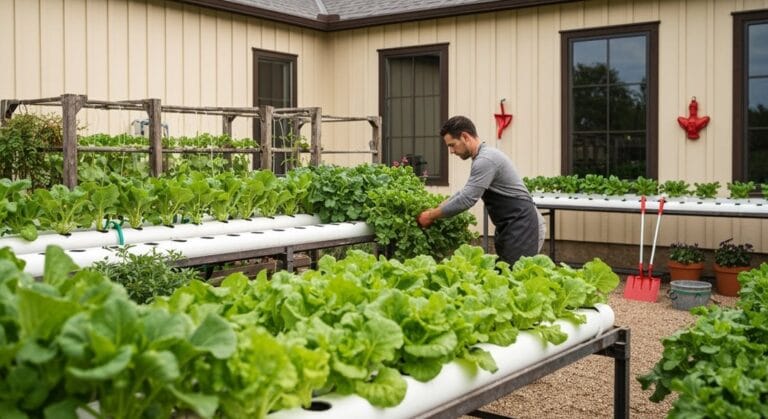

If you run an aquaponics system, you know the joy of seeing thriving plants and happy fish. But sometimes, those plants start looking a little… nibbled. Welcome to the world of aquaponics pests! It happens to the best of us.
Dealing with pests in a symbiotic system like aquaponics requires a slightly different approach than gardening in soil. We have to protect our aquatic ecosystem just as much as our leafy greens. Don’t sweat it, though! We’re going to walk through the best strategies to keep your operation clean, organic, and completely pest-free, the friendly way.
Identifying Threats: What Are Common Aquaponics Pests?
When you first notice damage, it’s crucial to play detective. Pests in aquaponics systems primarily target the plants, but whatever you spray or introduce can eventually affect your fish. Common culprits include tiny invaders like aphids, the microscopic nuisances known as spider mites, and sometimes even unwanted aquatic visitors like snails.
I like to think of monitoring as a daily ritual, not a chore. It’s amazing what you can spot when you’re consistently checking. Take a moment every morning to inspect the undersides of leaves and look closely at how your fish are behaving. Odd swimming patterns can often be an early warning sign that something is off in your aquatic ecosystem.
The key philosophy we follow here is Integrated Pest Management (IPM). This approach, which is far better than just spraying blindly, means prioritizing prevention and using the least harmful methods first. Chemical controls are always our absolute last resort.
Monitoring and Prevention: The Best Defense Against Aquaponics Pests
Prevention is truly nine-tenths of the battle when managing aquaponics pests. If you can stop them before they settle in, you’ll save yourself a ton of frustration later on.
Regular inspections are paramount. I make a point of looking closely at the vulnerable areas—the new growth and the undersides of leaves—where creatures like aphids love to hide out. Sticky traps also work wonders for catching those irritating flying pests, like whiteflies, before they have a chance to lay eggs.
- Optimal Water Quality: Stressed plants are pest magnets. Ensure your water quality is perfect by maintaining balanced pH and nutrient levels. This keeps the whole system strong.
- Cleanliness Counts: Remove dead leaves or debris immediately. Excess organic matter can invite mold and attract certain pests.
- Physical Barriers: Consider using fine mesh screens or covers over your grow beds. This is a highly effective barrier to prevent pests from landing directly on your plants.
Remember, a healthy environment breeds healthy plants. Keeping conditions ideal reduces the environmental stress that makes plants susceptible to initial outbreaks.
Introducing Beneficial Insects: Nature’s Pest Control Team
If you want truly organic pest control aquaponics, you need to recruit some helpers. This is where embracing beneficial insects aquaponics style really shines!
My favorite team members? Ladybugs. Watching a few dozen ladybugs released into a leafy area is better than any spray. They patrol the leaves, munching on harmful soft-bodied pests like mites and aphids for breakfast, lunch, and dinner.
When introducing these helpers, remember that they need a safe place to live and thrive without being washed away by water splashes or stressed by harsh conditions. They are a core component of biocontrol within an IPM framework.
I once watched ladybugs dance among my plants, effortlessly keeping pests at bay. The most environmentally friendly method for controlling pests is introducing natural predators, creating a balanced ecosystem while avoiding harmful chemicals. It’s truly rewarding!
How to Apply Natural Pesticides for Aquaponics Safety
Sometimes prevention isn’t enough, and you need a targeted treatment. When we look for natural pesticides for aquaponics, our priority shifts immediately to fish safety. Anything that drips into the fish tank needs a safety clearance slip!
One of the gold standards for hobbyists is neem oil application. It’s derived from the neem tree and works wonders as a repellent and growth disruptor for many insects. If you are asking how to manage pests in aquaponics safely, neem oil is often the answer.
For a safe dilution—and I stress dilution—mix about 5ml of pure, cold-pressed neem oil per liter of water, along with a few drops of mild, biodegradable soap to help it emulsify. Apply this gently to the affected leaves, but be extremely careful that runoff does not enter the fish water. It’s best to apply it in the early morning or evening.
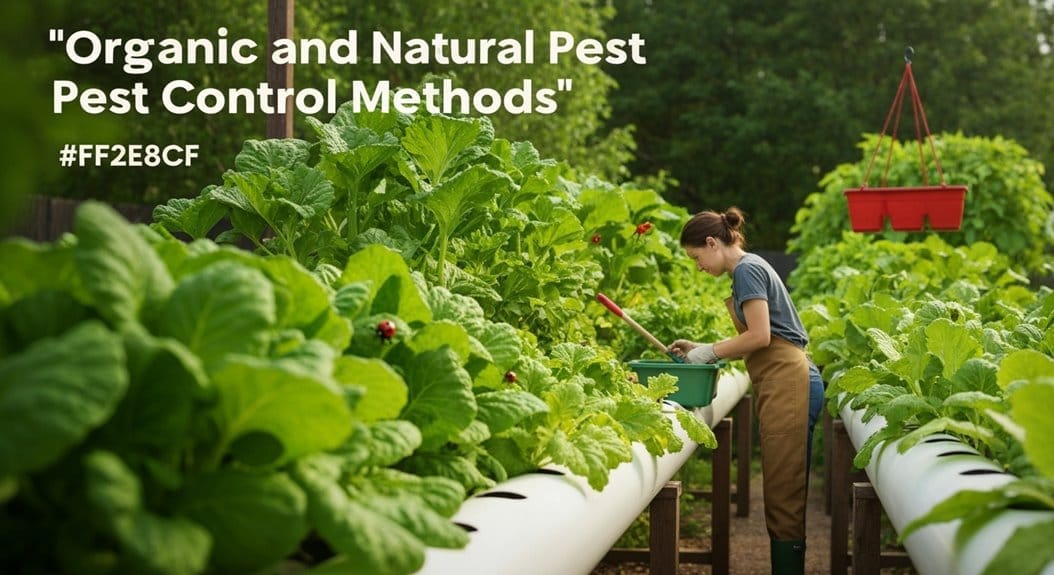
Another option for targeting specific pests like aphids is a simple insecticidal soap spray. Again, use these sparingly and ensure the material doesn’t interact with your fish tank water.
Navigating OMRI Certified Pesticides for Maximum Safety
If the infestation is severe, you might need to consider something stronger than kitchen soap. This is the moment to address the topic of OMRI certified pesticides for aquaponics.
OMRI certification stands for Organic Materials Review Institute. When a product carries this stamp, it means it meets USDA organic standards—which is a great start for plant health. However, for aquaponics, an OMRI certification only covers the plant side.
Here is the crucial distinction: an OMRI certified pesticide for aquaponics might still be harmful to your fish! Before applying anything labeled OMRI, you must cross-reference its ingredients with guides on non-toxic pest control for fish tanks and plants.
If you need a professional guide for an emergency, look for products that explicitly state they are safe for aquatic life or have a very high LC50 rating (meaning it takes a large dose to affect fish). My rule of thumb is: if it contains pyrethrins (like Pyganic), use extreme caution and ensure zero runoff into your fish water.
Managing Pest Infestations Safely: A Step-by-Step Approach
So, you have an active outbreak. What’s the game plan? Think of it as an escalating response, where we only move up the ladder if the previous step fails.
First, manually remove what you can. Squishing visible spider mites or knocking off aphids with a strong jet of water (aimed away from the tank!) reduces the immediate population pressure. This is low-impact and highly effective for small areas.
Next, target the area with your gentlest organic treatment—the neem oil or soap spray we discussed earlier. Focus application directly on the pest clusters.
If you are treating a long-term issue, revisit your biological controls. Are you attracting enough beneficial insects to keep the population in check? Releasing a fresh batch might be the key to long-term success.
Finally, use commercial, aquatic-safe treatments only as a last resort, adhering strictly to application rates and ensuring no direct contact with the water. Consistent monitoring throughout this process tells you if your efforts are working.
Frequently Asked Questions
How Do I Manage Pests in Aquaponics Safely and Organically?
To manage pests organically, start with diligent visual monitoring. Utilize manual removal, introduce beneficial insects like ladybugs, and apply treatments like neem oil aquaponics users favor, ensuring zero runoff into your fish water. Maintaining excellent water quality is your best preventative measure.
What Is the Best Organic Pesticide for Hydroponics and Aquaponics?
Many growers consider neem oil the best organic pesticide for hydroponics and aquaponics because it’s naturally derived and effective against numerous soft-bodied pests. However, always verify its application method minimizes contact with the fish tanks.
Is There Such a Thing as Truly Non-Toxic Pest Control for My Fish?
Yes, absolutely! The best non-toxic pest control for fish tanks and plants involves physical removal, strong water spray, and introducing predators like ladybugs. These methods affect zero or negligible impact on the aquatic ecosystem.
What Is the Most Environmentally Friendly Method for Controlling Pests in My System?
The most environmentally friendly method is preventive maintenance combined with biocontrol. Encouraging natural predators and ensuring your system is balanced means pests struggle to establish themselves in the first place. It requires observation but pays massive dividends!
Conclusion: Your Thriving Aquaponics Adventure
Tackling aquaponics pests requires diligence, observation, and a deep respect for the balance that makes this farming method so special. It’s easy to feel discouraged when you see munch marks, but remember: you have powerful, natural tools at your disposal.
By prioritizing prevention, being smart about neem oil application, and understanding the differences between OMRI certified products and truly aquatic-safe treatments, you secure the future of both your greens and your fish. Keep scouting, keep learning, and enjoy the adventure of growing food this way!


