If you’re dreaming of crisp, abundant cucumbers but wrestling with limited space, I have great news. Growing cucumbers in raised beds combined with vertical trellising is the secret weapon for maximizing yield while keeping everything tidy. It’s hands-down the best way to elevate your harvest game!
We’re going to walk through the perfect setup, from preparing that dream soil to training those ambitious vines skyward. Forget tangled messes on the ground; we’re aiming for organized, healthy growth that keeps disease at bay and makes harvesting a breeze.
- Use a 4–6 ft trellis on the back edge of raised beds to lift vines, improve airflow, and simplify harvesting.
- Build a sturdy trellis from redwood or cattle panels with 1″ mesh or twine spaced ~12″ vertically.
- Train a single main stem, pinch lateral shoots under 2″ and remove lower leaves touching soil weekly.
- Space plants 36–48″ apart, mulch 2–3″ away from vine collars, and keep soil near pH 6.5 with compost.
- Prevent and treat powdery mildew by improving airflow, using resistant varieties (Marketmore 76/Thunder), and applying baking soda or neem as organic controls.
Why Raised Beds Are Ideal for Cucumbers
Why choose a raised bed for cucumbers? You get instant control over the growing environment. You can easily amend the soil with plenty of rich compost amendment, ensuring ideal drainage right from the start.
Raised beds also warm up faster in the spring. This means your cucumber seedlings get a running start, and those sensitive roots breathe much better than in heavy garden soil.
When it comes to moisture, these beds are fantastic. Applying a mulch depth of 2–3 inches, perhaps straw or shredded leaves, helps suppress weeds while locking in critical moisture. Just remember to keep that mulch a few inches away from the main vine collar to prevent rot.
Aim for beds that are at least 17 inches deep. Over time, keep that soil happy. We want to maintain an soil testing pH of 6.5—a sweet spot for maximum nutrient uptake. A deep, well-draining, and perfectly pH-balanced bed is the foundation for success.
Choosing the Right DIY Cucumber Trellis for a Raised Garden Bed
Now that your soil is perfect, we need to think vertically. The whole point of this setup is to lift those vines. A well-placed trellis provides essential vertical garden support, dramatically improving airflow and keeping your developing fruit off the dirt—which means fewer blemishes and less humidity-related issues.
When placing your support structure, always position it on the north or back edge of the raised bed. This ensures the trellis doesn’t cast shade over the rest of your veggies during the prime sunlight hours.
You need stability! Cucumbers get heavy when loaded with fruit. Look for durable options. If you’re seeking a sturdy, long-term solution, thick cattle panels or galvanized wire mesh are excellent choices. For those looking to build something themselves, let’s talk about how to build a cheap cucumber trellis for a raised garden bed.
You’ve given cucumbers a great start—now choose a sturdy, sun-smart trellis for airflow, access, and abundant harvests.
Building an Affordable DIY Trellis Step-by-Step
We don’t need fancy hardware store kits here; smart gardeners build their own reliable structures. If you pick up some 2×2 redwood or cedar (naturally rot-resistant) and some tough hardware cloth or chicken wire, you can build something incredibly sturdy for very little cash.

Your basic design will be a rectangular frame bolted together, with the wire mesh stapled tautly across the middle where the vines will grab hold. Use corrosion-resistant fasteners, like galvanized bolts, because wet garden environments are tough on metal.
Once assembled, you need to anchor it deeply. Drive the legs into the soil beneath the raised bed by about 20 inches. A solid base prevents the entire thing from tipping over when a strong breeze hits your heavy, thriving vines.
- Measure your bed width and decide on a height (4–6 feet is usually perfect).
- Cut your lumber for the opposing vertical posts and the top/bottom horizontal supports.
- Assemble the frame, ensuring everything is square, then stretch and staple your mesh or twine grid across the opening.
⚠️ Affiliate Disclosure
This post contains affiliate links, meaning I may earn a commission if you make a purchase through these links, at no additional cost to you. As an Amazon Associate, I earn from qualifying purchases. I only recommend products I genuinely believe will add value.
Connecting Your Cucumbers: Training Early and Often
Once your support is up, it’s showtime for the vines! To maximize yield and stop energy waste, you need to learn how to prune cucumber vines on a trellis. The key principle is training for a single main stem.
Start young! As soon as those first tendrils start reaching out, gently guide them onto the trellis structure. If planting from seed directly in the bed, use string or twine strung vertically every 12 inches to give them easy starting points to climb toward the sunlight.
Let’s talk about side shoots, or laterals. These little sprouts steal energy better used for fruit production. Pinch or snip any lateral shoots that are under two inches long. You are essentially telling the plant, “No, thank you! Funnel that energy into the main stalk!”
- Prune to One Stem: This focuses the plant’s energy, leading to faster, straighter, and better-tasting fruit.
- Remove Lower Leaves: Any leaves touching the damp soil should be removed weekly. This is vital for managing moisture and disease risk.
- Inspect Weekly: Consistency is key. Prune when side shoots are small, before they become energy vampires.
Mastering Water: An Essential Raised-Bed Cucumber Watering Schedule
Since raised beds drain so well, they can also dry out quickly, which stresses the plants and can lead to bitterness in the fruit. This is where smart irrigation comes in handy.
Drip irrigation is a wonderful investment for raised-bed cucumber planting guide setups. It delivers water directly to the roots without splashing the leaves—and wet leaves are exactly what mildew loves!
When watering, aim for deep, infrequent watering rather than a light daily sprinkle. Check the soil moisture a couple of inches down before watering again. If it feels dry at that depth, it’s time to deliver a good soak. Consistency prevents the classic “blossom end rot” or bitterness associated with drought stress followed by sudden deluge.
| Moisture Check | Action |
|---|---|
| Soil dry 2” down | Water deeply until runoff is minimal |
| Cloudy/Rainy days | Skip watering; check moisture meter |
| Hot, very sunny days | Check moisture twice daily; may need top-ups |
Companion Planting for Pest Defense
We are filling every bit of space efficiently, so let’s put neighboring plants to work! Strategic cucumber companion planting in raised beds can reduce your need for chemical interventions. Cucumbers tend to attract some hungry villains, but smart neighbors can scare them off or distract them.
Marigolds (specifically French varieties) are famous repellents for nematodes and other soil pests. Nasturtiums are excellent trap crops—pests might devour their leaves instead of your cucumbers—and they look beautiful trailing along the edge of the bed!
Also, consider pollination. If growing heirloom varieties, having strong companion flowers nearby encourages more beneficial insects to visit your garden, ensuring every female flower gets pollinated.
Preventing and Managing Powdery Mildew: The Biggest Threat
The great equalizer in gardening is powdery mildew—that fuzzy white coating that spells doom for cucumber yield. Vertical growth is your primary defense because it promotes airflow. But we need backup plans, especially since mildew thrives in that humid microclimate vines create.
If you are worried about future infections, seek out cucumber varieties resistant to powdery mildew, such as ‘Marketmore 76’ or ‘Thunder.’ Plant these first.
When you see those telltale white spots, act fast! The best organic defense is often a simple spray. A common recipe involves mixing baking soda (about 1 tablespoon) with a few drops of mild dish soap into a gallon of water. Spray heavily, coating the tops and undersides of leaves, preferably in the late afternoon or evening as the sun goes down.
For tougher outbreaks, one of the best organic powdery mildew sprays for trellised cucumbers is Neem oil, applied according to package directions. Remember the long-tail query: when should I prune cucumber vines to improve airflow? The answer is weekly, especially pruning those low leaves touching the soil, as this barrier is where mildew often starts its climb.
Pest Monitoring and Quick Fixes
Visual inspection is non-negotiable. Get in the habit of checking the undersides of leaves every time you water. Catching cucumber beetles or squash bugs when they are just one or two individuals is easy; fighting an established colony is a nightmare.
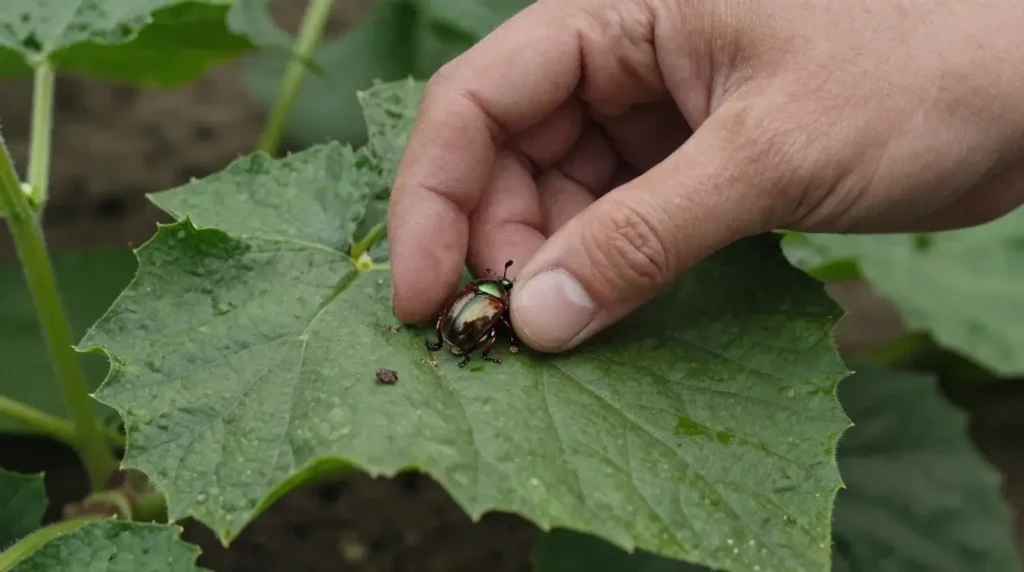
For small infestations of beetles, handpicking them into a bucket of soapy water works great (it’s surprisingly therapeutic!). If you have heavy flea beetle pressure early in the season, temporary row covers can be used until the plant starts flowering, though you must remove them for pollination to occur.
Keep scouting for signs of trouble. Consistent monitoring means you address issues organically before they build up enough momentum to significantly impact your harvest.
Frequently Asked Questions
When should I prune cucumber vines to improve airflow?
You should prune your cucumber vines weekly, starting as soon as they begin vigorous climbing. Focus on removing lateral shoots when they are under two inches and immediately clip away any lower leaves that are touching the soil or mulch layer to maximize air circulation around the base.
What soil pH is ideal for cucumbers grown in raised beds?
The ideal soil pH for cucumbers grown in raised beds is slightly acidic to neutral, generally between 6.0 and 7.0. Aiming for 6.5 by using quality compost amendment and testing yearly will ensure your plants access nutrients efficiently.
How do I ensure I have enough water without encouraging mildew?
Use an irrigation method like drip lines that target the roots, avoiding wet foliage entirely. Water deeply when the top two inches of soil are dry, rather than frequently misting the leaves. This promotes deep rooting without creating the high surface humidity that mildew loves.
Can trellised cucumbers share a bed with tomatoes or peppers?
Yes, this is entirely viable due to the vertical nature of trellising cucumbers. Make sure you manage spacing—aim for 36–48 inches between cucumber plants—and balance the soil fertility needs, as tomatoes and peppers are heavy feeders too.
How do I build a cheap cucumber trellis for a raised garden bed?
A cheap, highly effective DIY cucumber trellis for raised beds can be made using wooden 2x4s or even scrap lumber for the frame, securing hardware cloth or strong twine across the opening. Ensure it’s anchored deeply into the soil for stability, not just resting on the bed rim.