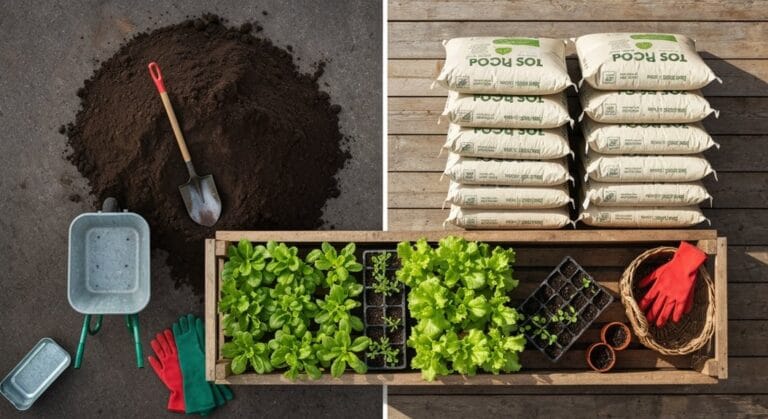

Deciding between buying soil by the big pile or in neat, tidy bags can feel like a huge garden dilemma. It’s not just about preference; it’s about your project size, budget, and what you actually need for happy plants. If you’re planning a large landscaping refresh or filling several raised beds, understanding the **bulk vs bagged soil** discussion is key to saving serious cash and getting better results.
I’ve spent many hours moving both types of soil, and let me tell you, the *cost of bulk soil per cubic yard* versus bagged soil is often the deciding factor. Basically, for bigger jobs, bulk almost always wins on price, freshness, and nutrient value. But bags still have their place for small, precise gardening tasks.
Key Takeaways: Quick Comparison
- Bulk soil typically costs between $20 to $40 per cubic yard, while bagged soil averages out to around $67.50 per cubic yard, making bulk significantly cheaper by volume.
- Bagged soil excels in convenience, sterility, and portability—perfect for containers, seed starting, or small urban gardening areas.
- When choosing between bulk and bagged soil, remember that bulk often means fresher ingredients, customizable blends, and richer organic matter.
- The quality difference is real: bulk blends are usually more consistent and nutrient-dense for the long haul, whereas bagged mixes might rely on synthetic, short-term additives.
- A good rule of thumb: If your project requires more than about 1 cubic yard, buying in bulk is usually more economical and efficient.
How Much Cheaper Is Bulk Soil Than Bagged? The Price Breakdown
If you’ve ever looked at the price tag on a shiny new bag of potting mix and then seen the price for a full truckload of dirt, you’ve probably wondered what gives. The difference boils down to packaging and overhead.
Let’s crunch the numbers when comparing **bulk soil vs bag price comparison**. Bulk soil generally runs about $20 to $40 per cubic yard (which is 27 cubic feet). That’s a great deal!
Now, look at the bags. A typical home improvement store bag might cost $5, containing maybe 1.5 cubic feet. When you do the math, that works out to roughly $67.50 per cubic yard. Suddenly, bulk seems like a steal.
Why the huge gap? You are paying for the convenience of those bags. That cost includes the plastic packaging, the retail markup, and the labor to stack them neatly on a shelf. Buying bulk means you skip most of that overhead, which is great for your wallet and reduces packaging waste—a win for stewardship-minded projects.
Delivery, Labor, and Storage: Where Bulk Requires Planning
Choosing bulk soil isn’t just about the price per yard; you also have to consider how you get it and what you do with it once it arrives. This is where the convenience of bagged soil shines.
Think about transportation. Bulk soil requires a delivery truck. While that truck delivers a huge volume all at once, you typically pay a flat **delivery fee**. For large projects, that one fee is usually much cheaper than paying for gas and truck rental to ferry dozens of heavy bags across several trips.
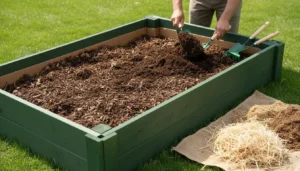
Then comes the handling. With bulk, you generally need elbow grease—wheelbarrows, shovels, and maybe a couple of strong friends—to move soil from the drop-off spot to your garden beds. Bags, on the other hand, allow you to pace your work; you only move what you need right then.
Storage considerations are also crucial. Bulk soil needs a designated, large, covered area to protect its moisture and **nutrient content** from the elements. Bags stack neatly in a garage or shed. If you don’t have that large space, those beautiful bags might end up suffering from sun exposure or winter saturation.
Choosing Between Bulk and Bagged Soil: Quality and Blend Control
This is where I strongly lean toward bulk material for vegetable gardens and quality landscaping. Generally, if you are asking your supplier for a specific custom mix, the quality tends to be higher in bulk.
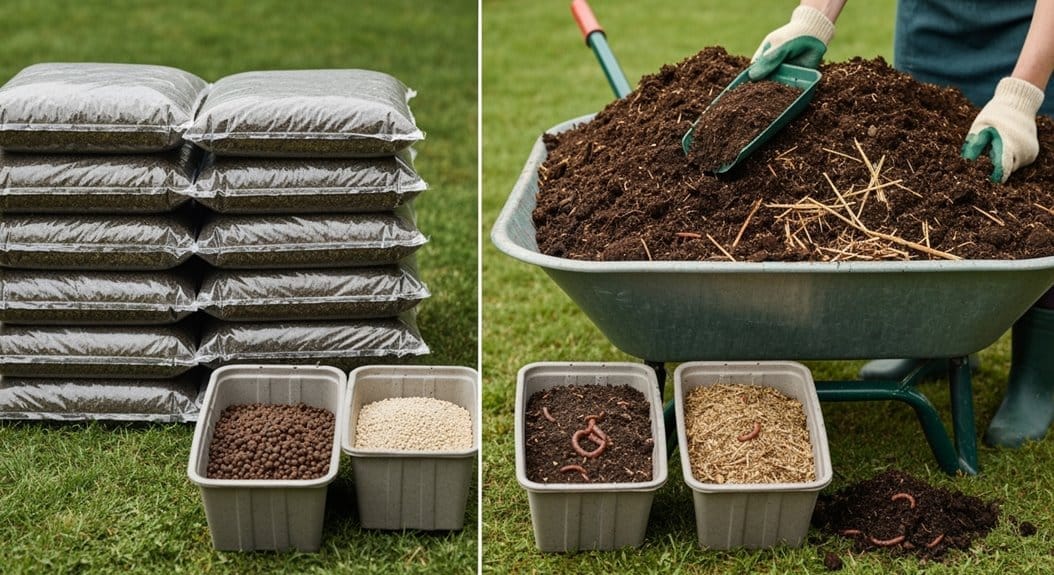
Bulk soil often comes straight from the source processor, meaning it hasn’t been sitting bagged for months waiting for your purchase. This generally translates to better, fresher **organic matter** and better-balanced nutrient content (N-P-K ratios).
Mass-produced bagged mixes sometimes rely on quick-fix additives, like synthetic fertilizers guaranteed to boost growth for the first season, but which might degrade quickly. Bulk producers, especially smaller local suppliers, often focus on building long-term soil health through naturally decomposing compost.
Bulk soil usually offers richer, longer-lasting nutrients and organic breakdown; bagged mixes often depend on short-term synthetic fertilizers.
Consistency can also be an issue with bags. If you buy five bags of the same mix, you might notice slight differences between them. Bulk soil, however, is usually mixed in large batches, giving you a far more homogenous product delivered in one go.
Best Uses: When to Commit to Bulk vs. Bagged Soil
So, **when to buy bulk soil instead of bags**? It’s all about scale and precision.
If you are starting a new lawn, filling a large landscape bed, spreading a thick layer of top-dressing over an acre, or building many large raised beds, you need volume. Bulk is your friend here. It’s simply impossible to move that much material efficiently any other way.
However, bags are fantastic when you need high sterility and specific nutrition—like when you’re starting seeds indoors or dealing with expensive houseplants. Bags are also the answer for small urban balconies or if you have limited space and only need a bit of soil now and then.
We also need to touch on **local sourcing options for bulk soil**, as this is highly geographically dependent. A local quarry or landscaping supplier is often your best starting point for bulk orders. These local sources might offer soil types unavailable in generic bags, such as specific native topsoil or unique landscape blends tailored to your region’s climate.
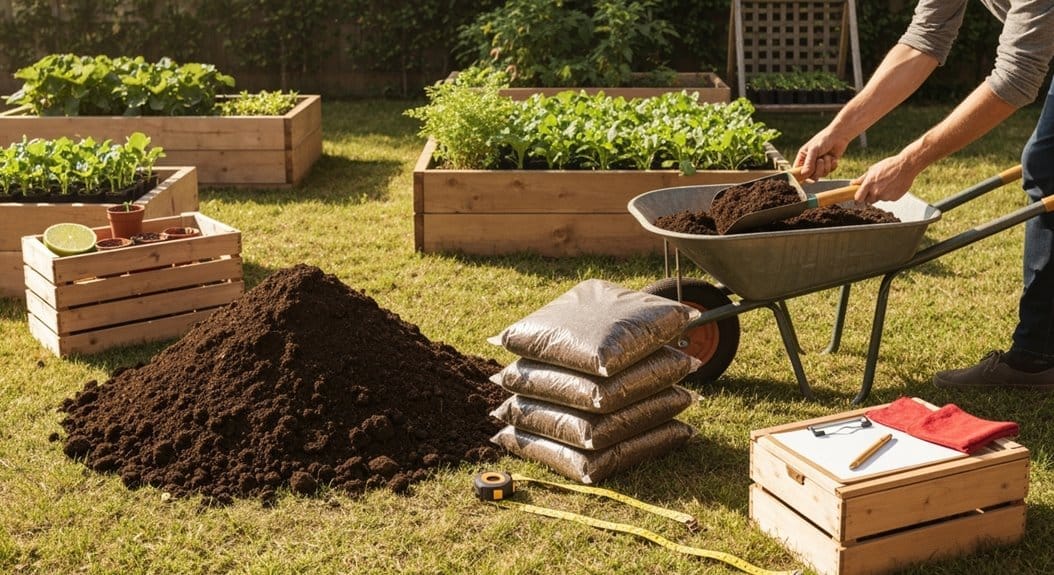
Making a Cost-Effective Decision for Your Project
To wrap up the financial aspect, if you need more than just a few bags, doing the upfront math on the price per cubic yard is essential. If you need, say, 5 cubic yards of material, buying in bulk will almost certainly save you hundreds of dollars compared to purchasing the equivalent volume in bags.
Remember to always factor in the delivery cost for bulk versus the cost of your time and fuel loading up bags yourself. For high-volume needs, that single flat delivery fee is often included in the overall savings.
Conversely, if your project is small—filling sidewalk containers or amending a small patch of flowerbeds—the convenience and portability of bags far outweigh the slight price difference. Bags are ready when you are, no scheduling required.
Frequently Asked Questions (FAQ)
Can Bulk Soil Contain Contaminants Like Weed Seeds or Heavy Metals?
Yes, absolutely. Because bulk soil involves large landscape operations, there is a higher inherent risk of contamination, including weed seeds or, in rare cases, heavy metals if the source material hasn’t been properly screened. Always purchase from reputable suppliers who can vouch for their sourcing and testing protocols.
Do Municipalities Have Regulations for Bulk Soil Disposal or Use?
Yes, they often do. Local municipalities frequently have rules regarding the size of soil piles allowed on residential property, required permits for large deliveries, and specific guidelines for disposing of contaminated or excess soil. It is wise to check local ordinances before ordering a very large bulk delivery.
How Long Can Bagged Soil Be Stored Before Nutrient Degradation?
Generally, sealed, high-quality bagged soil can last about one year before you might see noticeable degradation in microbial life and nutrient availability. However, once the bag is opened, storage conditions matter immensely. Keep it dry, and use it within a season or two, or plan to amend it heavily next year.
Can Bulk Soil Be Customized With Specific Amendments on Request?
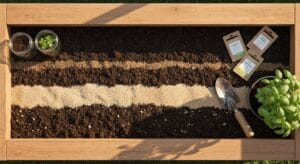
This is one of the biggest advantages of bulk buying! Yes, most bulk soil suppliers can tailor your order by adding specific amendments like lime, gypsum, specialized compost, or sand to meet precise pH requirements or desired drainage characteristics for your project.
Are There Environmental Impacts Differences Between Bulk and Bagged Soil?
Yes, there are significant differences. Bulk soil generally has a much lower environmental impact because it eliminates the need for plastic or paper bags, drastically cutting down on landfill waste. Furthermore, transport for bulk soil is often more efficient per volume than the smaller, more frequent shipments required for bagged goods.