

The Definitive Guide to Non-Toxic Wood Treatments and Rotten-Resistant Alternatives
If you’re looking to build, repair, or renovate while keeping harsh chemicals out of sight, you’ve come to the right place. Dealing with rot and pests doesn’t have to mean resorting to old-school, high-toxicity treatments. We are diving deep into the best non-toxic wood treatments and truly durable, eco-friendly building materials available today.
My goal here is to be the helpful friend who’s already done all the research. We’re going to explore everything from clever chemical-free wood modification processes to the top commercial products that stand up to decades of weather, ensuring your project is built to last while protecting your family and the environment.
Why Choose Non-Toxic Wood Treatments and Materials?
The simple reality is that protecting our structures shouldn’t compromise our health. Choosing non-toxic options is about creating healthier living spaces for everyone—your family, the builders, and the local ecosystem.
These alternatives dramatically cut down on hazardous chemical release. When you choose finishes that don’t off-gas VOCs (volatile organic compounds), you’re immediately improving the indoor and outdoor air quality around your property. It’s a win-win for wellbeing!
Aesthetics and durability also get a serious boost. Many plant-based oils and natural tannins preserve the unique grain and color of the wood far better than harsh chemical coatings. Plus, many modern techniques deliver up to 50% longer service life than standard lumber, meaning less maintenance and fewer replacement resources used over time.
My personal favorite tip here relates to lifecycle cost. That material that seems expensive upfront? If it lasts twice as long and needs one-third of the maintenance, you’re saving significant time and money down the road. Always look for materials labeled bio-based or biodegradable when possible.
Chemical-Free Wood Modification Methods for Superior Durability
Moving beyond surface treatments, we can fundamentally change how wood resists decay by making physical or chemical changes to the timber itself. These **wood modification processes** enhance the wood’s natural defenses against moisture absorption and insect attack without relying on heavy biocides.
When you hear about **modified wood alternatives** like Accoya or Kebony, you are looking at superior performance. These products boast incredible dimensional stability—meaning they swell and shrink far less with changes in humidity.
| Method | Benefit |
|---|---|
| Thermal modification | Lower moisture uptake; more stable |
| Furfurylation | +50% cell wall thickness; harder |
| Monomer impregnation | Fills micropores; resists rot |
Thermally modified wood involves baking the lumber at high temperatures (usually between 160–230°C). This process reduces the amount of moisture the wood can naturally absorb, drastically limiting the environment where fungi thrive.
Alternatively, **furfurylation** uses agricultural waste products mixed with resins to polymerize inside the wood’s cellular structure. This effectively adds bulk to the cell walls, making the wood denser, harder, and far more resistant to decay and pests. It’s a fantastic example of turning waste into high-performance material.
Safe Preservatives: Borates, Copper Alternatives, and Silicates
If you need a more direct preservative solution, there are excellent, lower-toxicity options available. We need to talk specifically about **borate treated wood uses** and other modern preservatives that offer excellent **rot and termite resistance without harsh chemicals**.
Borates, which come from boric acid or disodium octaborate tetrahydrate (DOT), are phenomenal at stopping fungi and termites. They are considered low-toxicity to humans. However, there’s a critical caveat: borates are water-soluble. This means you must strictly limit **borate treated wood uses** to sheltered, above-ground applications where they won’t be constantly rinsed by rain or ground saturation.
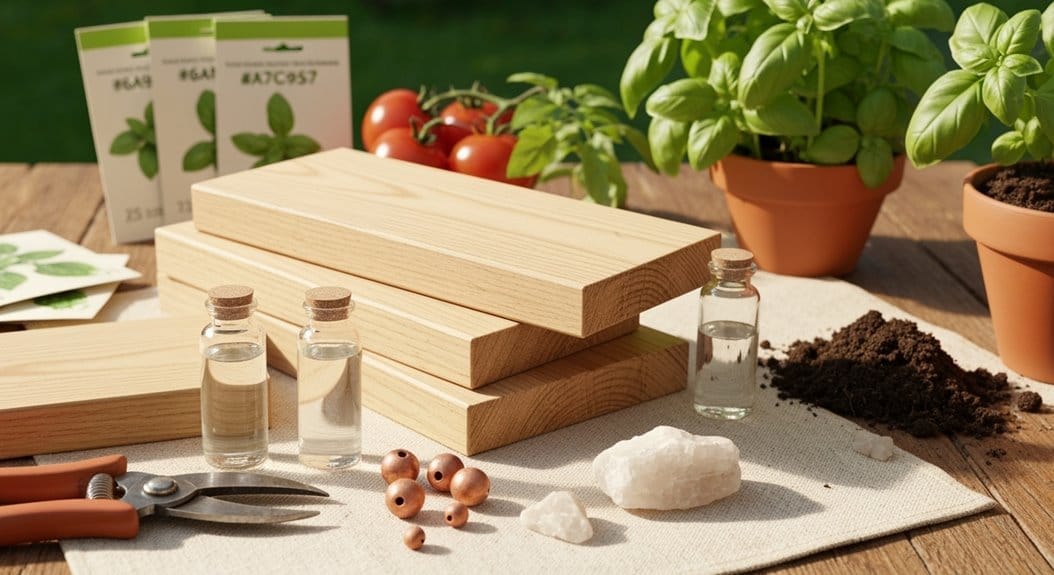
For serious ground contact or high exposure, look at copper alternatives like Copper Azole (CA-B or CA-C). These meet high AWPA retention standards and protect against decay, though they involve mining/processing footprints we must consider in our **lifecycle cost analysis wood** decisions.
Some treatments use silicates, like sodium silicate, to help water-repel the wood, which can reduce borate leaching. Just remember that silicates can sometimes interfere with the initial uptake of other preservatives during the treatment phase, so compatibility is key.
Bio-Based and Recycled Building Materials Resistant to Decay
If you prefer an approach rooted in sustainable chemistry and material reuse, exploring **bio-based building materials for decay resistance** is essential. These options address decay by design rather than trying to poison the fungi.
We are seeing innovation in things like hemp and flax panels made from agricultural waste. When bound with bio-based or PET-derived binders (crucially, no formaldehyde), these materials can last decades if kept dry. They often boast the added benefit of carbon sequestration.
Then there are exciting, cutting-edge materials. **Mycelium composites**, for instance, are grown—yes, grown—into structural shapes. They are lightweight, offer great insulation, and show surprising resistance to termites due to their composition. Bamboo and true heavy timbers like Ipe or Black Locust also offer natural resistance.
What about plastic waste? Look into Fiber Reinforced Polymer Lumber (FRPL). This material diverts plastic from landfills, offers incredible resistance to any biological attack, and requires minimal upkeep. It’s a great choice for reducing your overall environmental footprint, provided the upfront material is sourced responsibly.
Practical Considerations: Installation, Maintenance, and Durability
Choosing a premium, durable material means nothing if you install it incorrectly. When working with modified lumber, always remember that **dimensional stability wood** is less prone to movement, but it can still shift. Always leave sensible expansion gaps.
Because modified woods are often denser, you’ll need high-quality, carbide-tipped saw blades to make clean, efficient cuts. And please, always use corrosion-resistant fasteners—stainless steel or high-quality coated screws were designed for decks and structures enduring moisture cycling.
For ongoing care, remember that most non-toxic finishes require more attention than synthetic coatings. Plant-based oils might need re-oiling every one to five years, depending on UV exposure. Schedule this maintenance like you would any other upkeep task.
Finally, airflow saves wood. On decks, always ensure proper ventilation underneath to allow moisture to evaporate quickly. This simple architectural step is often more effective than any surface product at preventing premature decay.
Comparing Costs, Environmental Impact, and Performance
When selecting materials, we must look past the immediate purchase price. We are aiming for excellent performance over decades, which means running a quick **lifecycle cost analysis wood**. That slightly pricier modified wood often pays for itself multiple times over by eliminating future replacement costs.
Consider this: standard pressure-treated wood might cost $2–$5 per square foot, lasting perhaps 10 to 15 years with moderate upkeep. A premium composite decking or a genuinely durable option like Kebony can run $7–$12 upfront but stretch that lifespan past 25 or 30 years—that’s a huge savings in lifetime effort and expense.
- Prioritize lifespan per dollar.
- Favor recycled or bio-based choices to lower embodied carbon.
- Use borate for low-toxicity needs in sheltered areas.
- Count disposal or compostability in lifetime cost.
Environmentally, we weigh our options carefully. Recycled FRPL cuts landfill burden. Thermally or furfuryl-modified wood uses less energy long-term due to reduced replacement cycles. Even when considering copper-based preservatives, we factor in the environmental impact of mining and subsequent leaching concerns.
The trade-off often boils down to maintenance frequency. Materials requiring **maintenance of non-toxic wood finishes**, like reapplication of oils every few years, demand scheduled labor. Materials like high-density composites or certain modified woods require almost nothing but an occasional wash.
Addressing Content Gaps: Building Codes and Product Specifics
One area where people often get stuck is local compliance. Are these modern materials accepted? Yes, but you must document it. For advanced materials like Accoya or Kebony, you need to bring technical specifications to your local building department. Highlight documentation showing compliance with AWPA standards or ICC-ES reports to demonstrate that the material meets required performance levels just as well—if not better—than conventional lumber.
Another common question involves product specificity. If you opt for borates, know your suppliers. When looking at **how to protect wood without harsh chemicals**, you might compare commercial brands of borate treatments (like Timbor versus products sold under a different trade name). While the active chemical is the same, checking retention rates and application guides (especially regarding subsequent water-repellent barrier application) is vital for ensuring long-term success.
Frequently Asked Questions
Can non-toxic wood treatments affect indoor allergy sufferers?
Absolutely, they can help. Since the goal of these **non-toxic wood treatments** is to minimize or eliminate VOC emissions, you create a much healthier indoor environment overall. Fewer chemical residues mean fewer irritants for sensitive individuals.
Are these alternatives approved by building codes and inspectors?
Generally, yes, especially if they are commercially available brands with third-party certifications. For newer **modified wood alternatives**, your key is documentation. Provide inspectors with ICC-ES evaluation reports or relevant AWPA standard adherence to confirm their structural and preservation rating.
How do treatments impact paint or stain adhesion?
This depends entirely on the preparation. For oil-based finishes or plant-based stains, proper surface cleaning and light sanding are crucial to ensure a good grip. For borate treatments, you must ensure the wood is dry; painting or staining over wet, recently treated wood will inevitably lead to failure.
Can treated or modified wood be recycled at end of life?
It varies significantly. Bio-based materials like those using furfurylation or mycelium are often much easier to process or compost than lumber treated with older, heavy-metal preservatives. For any structural material, check the manufacturer’s guidance regarding land application or chipper use.
Do non-toxic options change insurance or resale value of a home?
In most cases, they enhance both. Buyers increasingly value durability and proven health consciousness. Having documentation that proves you opted for high-durability, low-maintenance materials like Kebony or Accoya can certainly be a selling point, reflecting well on the home’s overall quality.


