Category Design & Build

How to Build a Low Tunnel: Fast DIY Season Extension

build a low tunnel quickly

A low tunnel is a simple hoop structure covered with row cover or plastic to extend the growing season by 2-6 weeks. Build one by spacing PVC or EMT hoops 3-5 feet apart, anchoring with rebar stakes, and securing fabric or plastic tautly over the frame. It takes under 30 minutes with basic tools. Read on to master materials, ventilation, and best practices.
Raised Bed Walls Bowing? Fix & Prevent It Forever

stop beds bowing wall bracing thickness

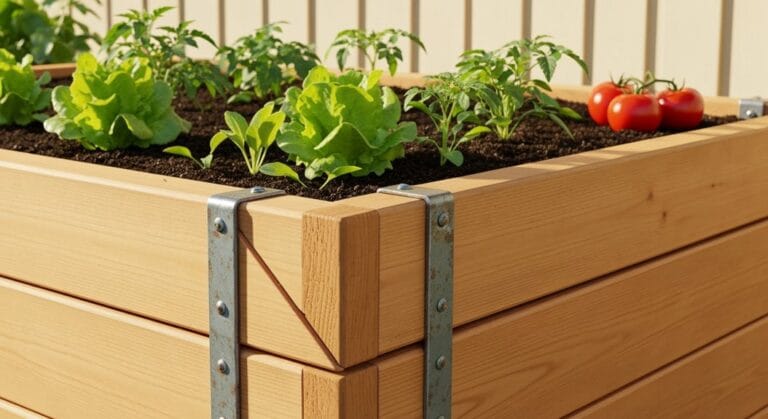
Raised bed walls bowing results from immense outward soil pressure, where moist dirt in a 4x12x2-foot bed exerts over 4,800 pounds per long wall on thin wood. Prevent it using 2x8 cedar boards minimum, galvanized L-brackets at corners, and mid-span braces every 4 feet. Read on for proven checklists and material guides.

Building Raised Beds on Concrete: Skip My Epic Fails

build on soil lawn concrete

Building raised beds on concrete requires a 3-4 inch pea gravel base topped with geotextile fabric to ensure proper drainage and prevent soil loss into the voids. This setup manages excess water evaporation since concrete blocks percolation. Use 18+ inches of 50% compost, 30% topsoil, 20% perlite soil for moisture retention amid heat radiation. Read on for full steps across surfaces.

Best Material for Raised Garden Beds: Top Durable Picks

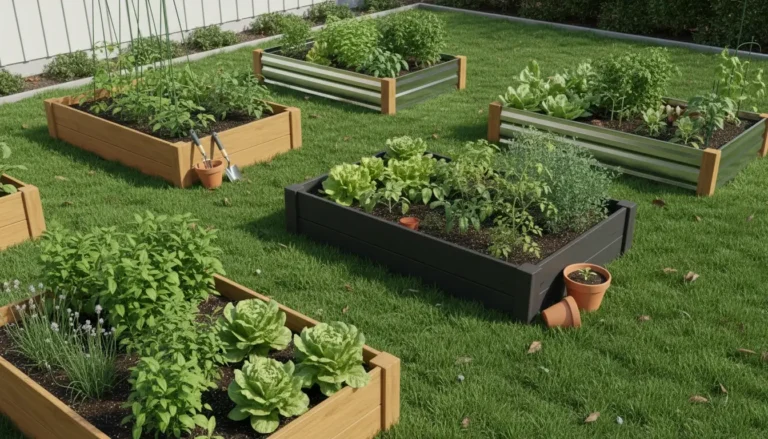
Various raised garden beds showcasing different materials like wood, metal, and composite, filled with thriving plants in a backyard setting.

The best material for raised garden beds balances durability, cost, maintenance, and food safety; top choices include galvanized steel (20+ years lifespan), cedar wood (15-20 years), and masonry (50-100+ years). Factors like climate and budget determine the optimal pick—metal excels in low upkeep, wood in aesthetics. Steel costs ~$0.08-$0.12/year long-term. Read on to compare all options and build guides.

Ultimate Non-Toxic Wood Treatments for Rot-Proof Builds

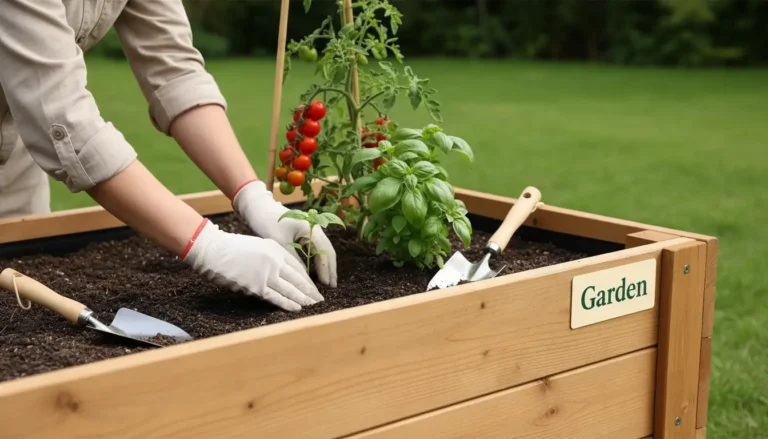
Person planting basil in a non-toxic, rot-resistant raised garden bed with tomatoes, promoting sustainable organic gardening.

Non-toxic wood treatments safeguard lumber from rot, fungi, and pests using low-toxicity methods like borates, thermal modification, and furfurylation, without harmful biocides. Borates excel in above-ground applications with minimal human risk, while modified woods like Accoya offer 50-year warranties and superior stability. These reduce VOCs and lifecycle costs. Read on for top picks and guides.

How to Build Raised Beds on Concrete Patios That Thrive

raised bed installation on concrete

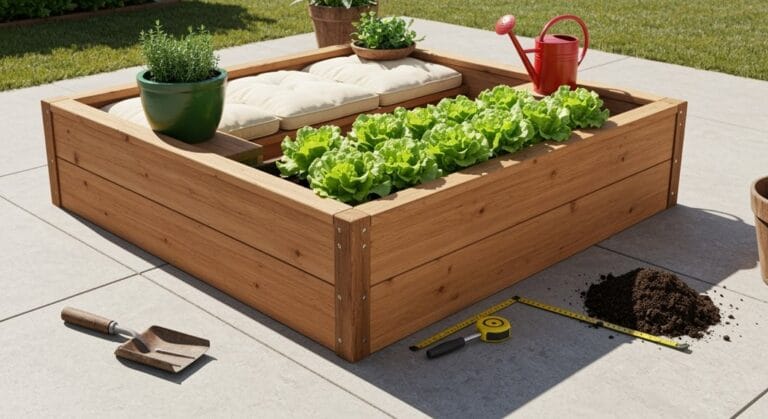
Raised beds on concrete are elevated garden frames built directly on patios, requiring pavers for airflow, 2-3 inches of gravel drainage, geotextile fabric lining, and 60/40 soil-compost mix for success. This setup ensures root health, prevents rot, and manages heat reflection. Structural cross-bracing adds stability. Read on for step-by-step instructions.

Birdies vs Vego Raised Garden Beds: Ultimate Review

birdies vego raised beds

Birdies and Vego raised garden beds both feature 24-gauge Aluzinc-coated steel with stainless hardware for 20+ year lifespans. Birdies excels in larger interior footprints and rigid bracing for max planting area. Vego leads with quicker assembly and modular shapes for flexible designs. Read on for pricing, warranties, and your best pick.