
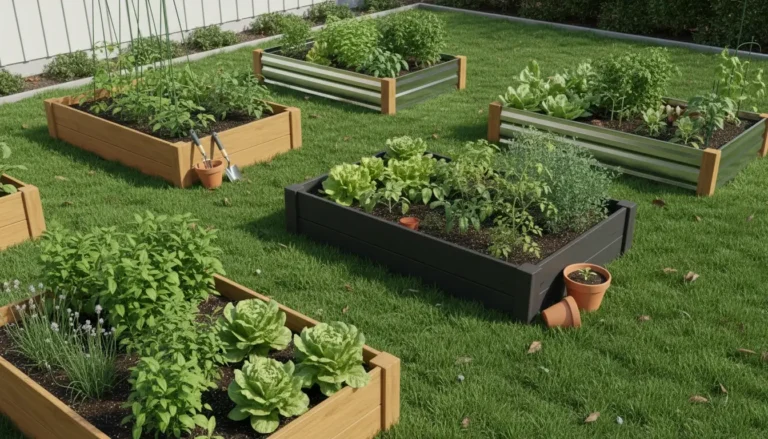

If you’re planning a raised garden bed project, you’re facing one of the most critical decisions right off the bat: best material for raised garden beds. It sounds simple, but the choice affects everything from your wallet to how long your bed actually lasts before needing repair.
Think of this less like picking paint colors and more like choosing the foundation of your house. We need to balance lifespan, upfront cost, required maintenance, and whether the material is safe for growing the organic veggies you love. Don’t worry; we’ll walk through the options—wood, metal, composite, and masonry—so you can pick the optimal material for your unique gardening goals.
The real key here is choosing wisely now to avoid headaches later. If you pick something cheap that rots in two seasons, you’ll spend more time and money replacing it than actually gardening. Let’s dive into what truly offers the best longevity and lowest maintenance schedule.
The Core Guide: Choosing Your Raised Bed Material
When choosing a material, you’re essentially optimizing three things: initial cost, expected lifespan (longevity), and how much time you want to spend on upkeep. A material that lasts 20 years, like galvanized steel, might cost more upfront than pine, but its cost-per-year is often lower.
- Longevity Winner: Masonry and Black Locust wood. These can last a century or more.
- Budget Winner: Untreated softwoods like pine or fir, provided you are willing to seal them or line them.
- Low Maintenance Winner: Metal or composite decking materials.
We also need to ensure everything we use is food-safe. For organic gardening, avoiding chemicals that might leach into the soil is non-negotiable. This means skipping old pressure-treated lumber—the kind treated before 2003 used arsenic—and being discerning about how metal beds are galvanized.
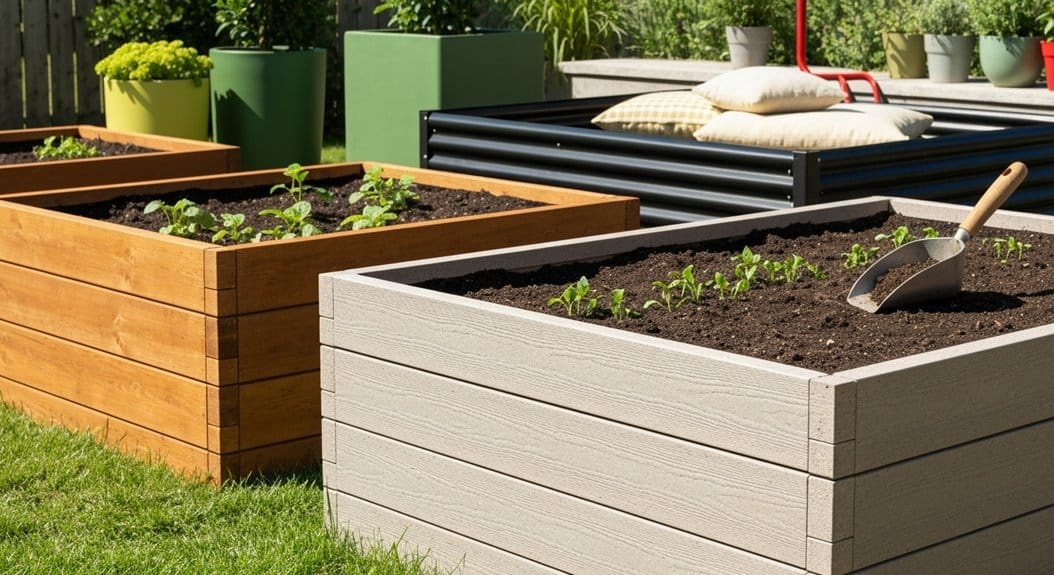
Raised Bed Wood Options: Longevity vs. Budget Trades
Wood is the classic choice, offering a warm, natural look that blends beautifully into any landscape. When we discuss raised bed wood options, we are really talking about natural rot resistance.
For serious longevity, nothing beats naturally rot-resistant woods like cedar or redwood. These dense timbers contain natural oils that repel moisture and insects, often lasting 15 to 20 years with minimal sealing required. If you can find it, black locust is another fantastic, extremely durable, non-toxic choice.
What if your budget demands something cheaper? You can use standard pine or fir, keeping your garden bed cost down initially. However, you must factor in maintenance. These softer woods will likely only last 5 to 7 years unless you commit to sealing them every 1 to 3 years, or line the interior walls with a heavy-duty plastic vapor barrier.
Pick durable, non-toxic woods—cedar, redwood, or black locust—for low upkeep; seal cheaper pine or fir if needed.
Remember to always check for older wood. If you’re looking to extend the life of wood raised beds, a great technique is to use a breathable landscaping fabric to separate the damp soil from the wood walls, improving drainage and airflow.
Metal Raised Garden Beds: Pros and Cons of Durability
Metal raised garden beds pros and cons often center around heat management and lifespan. Galvanized steel is extremely popular because it’s inherently pest-resistant, requires almost zero maintenance outside of checking for scratches, and can easily last 20 years or more.
The primary drawback to metal materials, especially galvanized steel or corrugated aluminum, is heat transfer. Metal conducts warmth incredibly well. In hot climates, this means your soil can heat up much faster than in wood or masonry beds. This is important to consider when discussing how to choose a metal raised bed that won’t over-heat.
To mitigate this, use plenty of organic mulch on the soil surface—this acts as an insulator. Another tip is positioning. If you have a very hot, sunny backyard, place metal beds where they might get some afternoon shade, or consider painting the exterior a light color.
When buying galvanized steel, look for modern coatings marketed as “food-grade” or “non-toxic” coatings to ensure long-term safety for organic growing.
Composite Raised Bed Durability and Eco-Friendly Claims
Composite materials—a blend of recycled plastic and wood fibers—are squarely aimed at gardeners who want maximum longevity with minimum effort. They are fantastic precisely because they are 100% rot-resistant and insect-proof.
This brings up a key question: are composite raised beds safe for organic gardening? Generally, yes, provided the manufacturer uses certified recycled plastic and stable colorants. Unlike wood, composites do not leach organic acids or preservatives into the soil as they degrade, making them very stable regarding soil pH.
But they aren’t perfect. Because they are often constructed from hollow boards, long side panels can sometimes bow outward under the immense weight of wet soil. To combat this, always choose thicker composite boards (at least 1.5 inches thick) or plan to install internal bracing if your beds are longer than 6 feet.
- Pros: Excellent lifespan, resists insects/rot, often made from diverted waste (eco-friendly).
- Cons: Higher initial cost, can fade in intense UV light, and thin boards might bow.
Masonry Raised Bed Benefits: Stability and Thermal Mass
If you want a garden that is essentially a permanent landscape feature, look at masonry raised bed benefits. Concrete blocks, bricks, or stone create structures that can genuinely last 100 years. This is the ultimate low-maintenance, high-stability option.
These materials offer incredible thermal mass. This means they absorb heat slowly during the day and release it slowly at night. This thermal buffering is wonderful for keeping roots consistently warm, effectively lengthening your growing season by protecting against those sudden, sharp drops in temperature we sometimes see overnight.
Building with masonry requires more upfront labor than assembling a simple kit, perhaps necessitating tools, a solid base of compacted gravel for drainage, and possibly hiring help. However, once it’s built, the structure itself requires virtually zero maintenance—no sealing, no staining, no rust inspection.
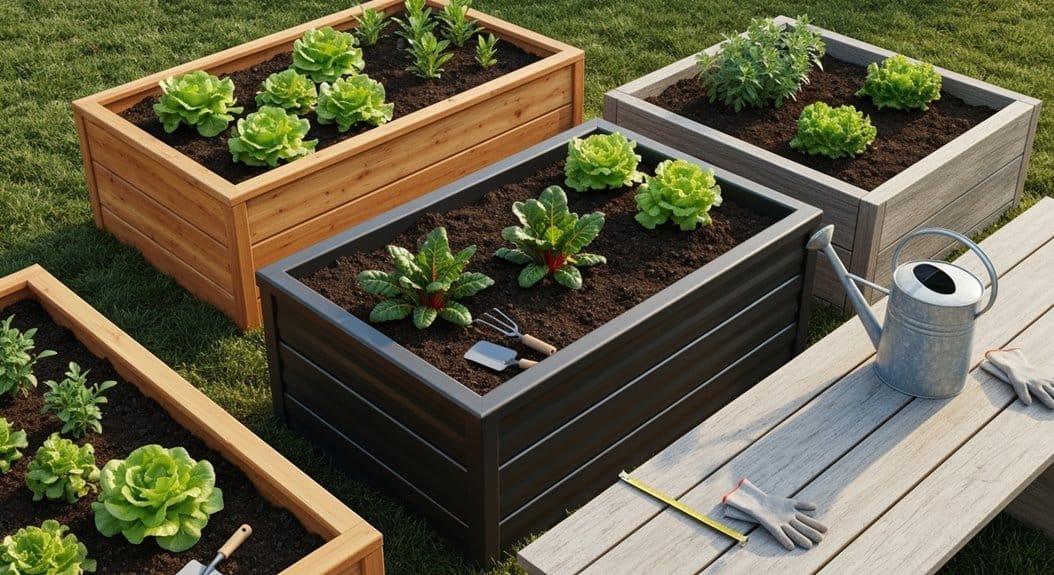
Regional Climate Considerations
Where you live dramatically affects which material performs best. If you are gardening in a region with intense, dry heat, be cautious with metal beds, as noted above.
Conversely, in cold, wet zones, the primary enemy is moisture promoting rot or freeze-thaw cycles. Wood needs extra protection here, and masonry must be built on a well-drained base so that trapped water doesn’t freeze and crack the blocks or mortar over time.
In mild climates, you have the most flexibility. You can prioritize factors like garden bed cost, as the environment won’t be rapidly degrading your structure.
Cost Comparison Matrix: Budget vs. Lifespan
To help you visualize the long-term value, here is a rough comparison. Remember, these are estimates, and labor costs can vary wildly depending on whether you do the work yourself (DIY) or hire help.
| Material | Typical Initial Cost (Relative) | Expected Lifespan (Years) | Estimated Cost per Year (Very Rough) | Maintenance Focus |
|---|---|---|---|---|
| Untreated Softwood (Pine) | Low ($) | 5–8 | $0.15 – $0.30 | Sealing, replacement |
| Rot-Resistant Wood (Cedar) | Medium ($$) | 15–20 | $0.10 – $0.15 | Sealing (optional) |
| Galvanized Steel Kits | Medium-High ($$$) | 20–30+ | $0.08 – $0.12 | Edge inspection |
| Composite Decking | High ($$$$) | 25+ | $0.10 – $0.15 | Cleaning, bracing support |
| Concrete Block/Stone | High ($$$) (Labor Heavy) | 50–100+ | $0.03 – $0.05 | Minimal, base integrity |
As you can see, while cedar and composite have similar upfront costs, cedar sometimes loses out slightly on longevity if it isn’t maintained perfectly. Masonry offers the lowest long-term cost but requires the highest initial labor investment.
Maintenance Calendar: Keeping Your Beds Healthy
Even low-maintenance beds need a little love. Here is a quick maintenance calendar overview:
- Wood (All Types): Inspect annually. Apply a non-toxic, penetrating sealant (like tung oil) every 1–3 years, based on how much rain your area gets.
- Metal: Check coatings yearly for deep scratches or punctures that expose raw metal, which could lead to rust. Touch up with rust-inhibiting paint if necessary.
- Composite: Wash down the sides annually with mild soap and water to remove grime, which can sometimes harbor mildew. Check fasteners for tightness.
- Masonry: Inspect the base annually to ensure the surrounding soil hasn’t eroded, compromising the levelness or stability of the structure.
Frequently Asked Questions
Can I Line Wood Beds to Prevent Soil Contact and Extend Life?
Absolutely. Lining the interior wood walls with a thick (6-mil or thicker), food-safe plastic liner or heavy-duty breathable landscape fabric is a great way to prevent constant water saturation on the wood. Just ensure you do *not* line the bottom, as excellent drainage is essential.
How Do Raised Bed Materials Affect Soil pH Over Time?
Wood naturally breaks down and releases tannins and organic acids, which can slowly lower your soil pH (making it more acidic). Untreated metal can potentially leach minor amounts of zinc or aluminum, though modern galvanized steel is usually highly buffered. Composites tend to be the most pH-neutral.
Are Any Materials Safe for Growing Root Vegetables Organically?
Yes, almost all materials listed here are safe for organic root vegetable production, provided the materials themselves are certified non-toxic. The key is depth; ensure your beds are at least 12 to 18 inches deep for proper root development.
What Materials Are Best for Movable or Temporary Raised Beds?
For portability, you want lightweight options. Fabric grow bags are the lightest, but if you prefer structured looks, thin-gauge metal kits (which often break down into flat panels) or constructed boxes made from lightweight cedar are excellent. Avoid heavy options like concrete or thick composite for temporary structures.
Conclusion: Matching Material to Mission
So, what is the absolute best material for raised garden beds? The honest answer is the one that perfectly matches your unique situation.
If budget is the highest concern and you don’t mind light upkeep, go for sealed softwood. If you are serious about farming organically for decades with minimal fuss, invest in composite raised bed durability or solid masonry.
Take a moment to review your local climate, your DIY skills, and your future plans, then choose accordingly. Careful planning now means happier harvests for years to come!


