Tag vegetable gardening

Unlock Vegetable Garden Sunlight Needs for Shade Success
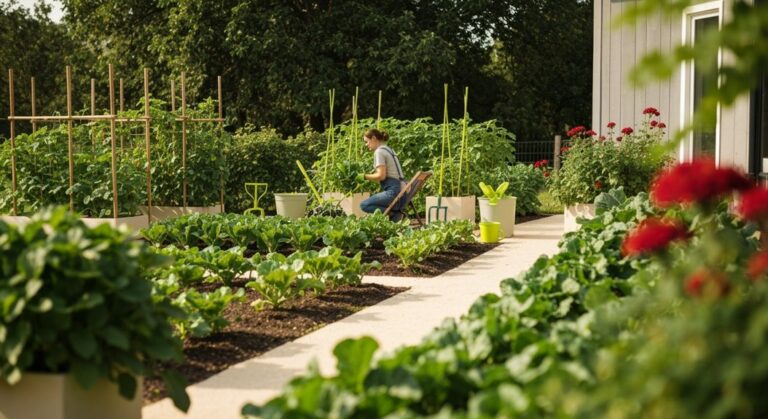
sunlight for growing food

Most vegetables have sunlight needs of 6-8 hours of direct sun daily for optimal growth and high yields. Leafy greens like lettuce and spinach thrive with 4-6 hours in partial shade, while root crops tolerate less. Full sun boosts fruiting crops significantly. Read on for shade-tolerant varieties and maximization strategies.
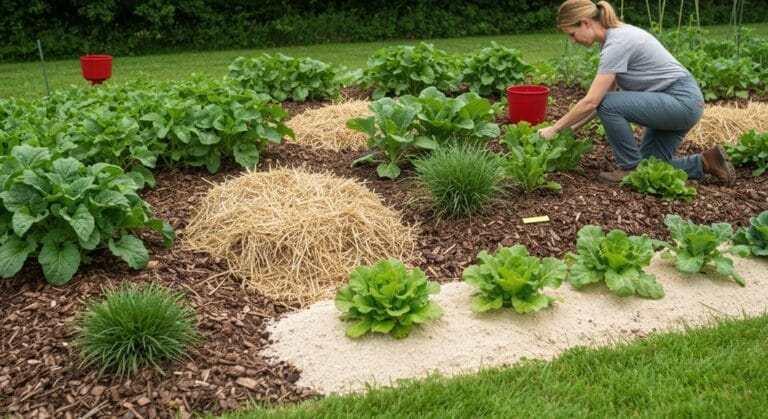
5 Best Mulches for Vegetable Gardens: Ultimate Guide!

top vegetable garden mulches

The best mulches for vegetable gardens are compost, grass clippings, straw, wood chips, and shredded leaves for superior weed suppression, soil moisture retention, and nutrient enrichment. These organic options decompose to improve soil structure and aeration. Apply 2-4 inches thick for optimal results. Read on to compare each type in detail.

Master Raised Bed Gardening: Build, Soil & Harvest

Person filling a wooden raised garden bed with soil using a hand trowel for vegetable planting.

Raised bed gardening elevates soil in framed beds for optimal drainage, soil control, and easy access, ideal for vegetables in small spaces. Aim for 3-4 feet wide, 12-18 inches deep beds using a 40-40-20 mix of topsoil, compost, and sand. Start with site prep, gravel base, and landscape fabric. Read on to discover full building, planting, and troubleshooting steps.

Best Raised Bed Depth for Vegetables: Crop Guide

raised bed depths 6 24

Raised bed depth for vegetables varies by root type: 6-8 inches for shallow-rooted greens like lettuce, 8-18 inches for medium crops like peppers and carrots, and 18-36 inches for deep rooters like potatoes. This ensures optimal drainage, nutrient access, and vigorous growth. Proper depth prevents stunted roots and boosts harvests. Read on for crop-specific depths and tips.