Category Quick Start & Planning

Raised Bed Placement: Avoid My Costly Garden Fails!
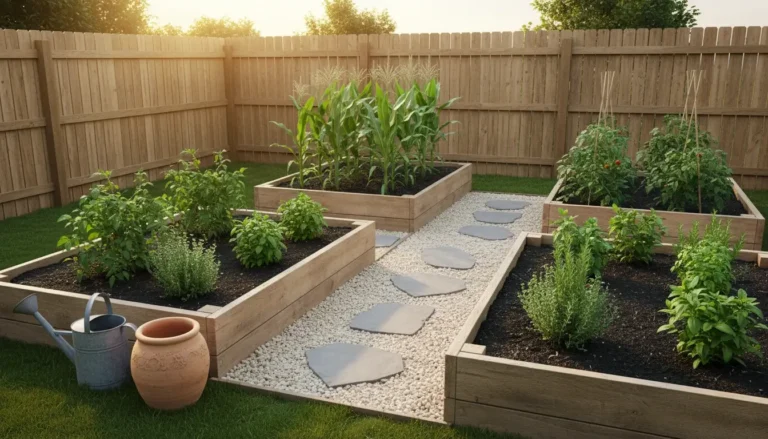
A well-designed backyard garden with raised wooden beds, strategically placed to optimize sun exposure, benefit from wind protection, and facilitate watering.

Optimal raised bed placement is a south-facing spot with 6-8 hours of direct sunlight, wind protection, and within 50 feet of a water source. This maximizes vegetable yield by preventing common failures like spindly growth and drought stress. Conduct a sun test every two hours from 8 AM to 6 PM and observe wind patterns. Read on for the complete site selection strategy.

Master Your Site Microclimate: Map Sun & Thrive!

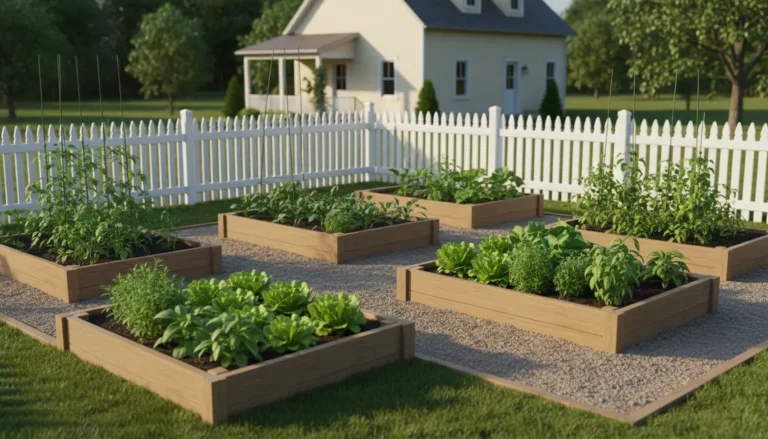
A well-organized backyard garden with multiple raised beds, demonstrating optimal plant placement for sun exposure and microclimates.

A site microclimate is a localized pocket on your property with unique temperature, moisture, sunlight, and wind conditions shaped by topography, structures, vegetation, and materials like thermal mass. Map sun exposure by observing paths at summer and winter solstices using simple tools or apps. Track wind patterns with flags or anemometers for precise analysis. Discover step-by-step techniques to modify microclimates for optimal gardening.

Raised Beds: Benefits, Limits, and When to Use

raised beds improved drainage soil control

Raised beds warm soil 2-3 weeks faster than in-ground plots and drain better, allowing earlier planting of warm-season crops like tomatoes and peppers. Fill them with a 70% topsoil and 30% compost mix at 10-12 inches deep for most plants, or 12-18 inches for root crops. While they cost more upfront and require frequent watering, raised beds cut weeds by up to 97% and work best on poor, rocky, or contaminated soil. Read the full guide to learn when raised beds beat in-ground gardens and how to build yours.

Maximize Fall Raised Beds: Harvest Till Frost!

fall raised beds calendar

Fall raised beds extend harvests by planting quick-maturing cool-season vegetables 6-8 weeks before your first frost date. Subtract days-to-maturity from the frost date, adding a 14-18 day buffer for reliable timing. Use succession planting every 2-3 weeks and cold frames for protection. Read on for crop lists and step-by-step prep.

Best Raised Bed Depth for Vegetables: Crop Guide

raised bed depths 6 24

Raised bed depth for vegetables varies by root type: 6-8 inches for shallow-rooted greens like lettuce, 8-18 inches for medium crops like peppers and carrots, and 18-36 inches for deep rooters like potatoes. This ensures optimal drainage, nutrient access, and vigorous growth. Proper depth prevents stunted roots and boosts harvests. Read on for crop-specific depths and tips.

Perfect Raised Garden Bed Dimensions Guide

raised beds size spacing planting

Ideal raised garden bed dimensions are 3-4 feet wide by 6-10 feet long and 12-18 inches deep for most veggies. This balances two-sided access without straining while ensuring root space for tomatoes and carrots. Adjust to 2.5 feet wide for one-sided spots or 24-30 inches high for wheelchair access. Read on for full planning guidelines.

Starting a Raised Bed Garden: Ultimate Beginner Guide

raised bed starter plant guide

Starting a raised bed garden requires selecting a sunny spot with 6-8 hours of daily light, building a 4-foot-wide frame using rot-resistant cedar, and filling it with a 1:1:1 mix of compost, topsoil, and peat moss for optimal drainage and aeration. This setup ensures fluffy soil ideal for beginners. Plant radishes for harvests in just 25 days. Read on to discover detailed steps, layouts, and quick-win crops.