


Ready to squeeze every last drop of flavor out of your garden before winter really settles in? If you love crisp greens and sweet roots, then mastering fall raised beds is your absolute secret weapon. Season extension isn’t just for the pros; it’s about smart timing and soil prep so you can serve up fresh salads well into the colder months.
The key to unlocking a fantastic second harvest lies in understanding a few simple concepts: quick-maturing varieties, the reliable magic of succession planting, and pinpointing your regional frost dates for gardening. We’re going to walk through exactly when to sow fall vegetables in raised beds so you don’t waste a single inch of that precious soil.
Key Takeaways for Fall Gardening Success
- The essential timing formula: Start with your average first frost date, subtract the crop’s days-to-maturity, and then add a non-negotiable 14–18 day buffer before you sow or transplant.
- Direct-sow incredibly fast greens and roots, like radish and arugula, roughly 8–12 weeks before your first anticipated frost date for those quick, satisfying harvests.
- For your brassicas (broccoli, kohlrabi), get a head start by starting seeds indoors about 4–6 weeks before the frost date for sturdy fall transplants.
- Keep the momentum going by practicing succession sowing every 2–3 weeks, focusing specifically on those quick-maturing cultivars—anything under 55 days is a winner here.
- Don’t fear the cold snaps! Use simple cold frame protection and row covers to shield seedlings and extend your harvest window well past the first few freezes.
Cool-Season Vegetables: The Stars of Your Fall Raised Beds
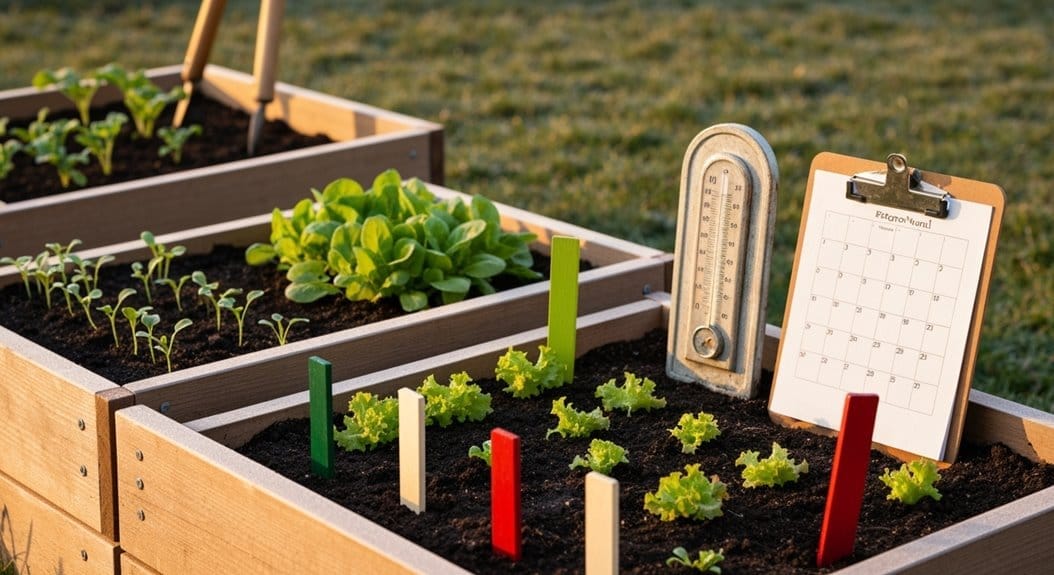
When the summer heat finally breaks, that’s your signal to deploy the cool-season vegetables. These plants absolutely thrive when nights start cooling down, rewarding you with crisp, flavorful harvests while the usual garden pests take a long nap.
In the cozy microclimate of your raised bed, lettuce really shines when the days are mild but the nights offer a chill. Spinach and Swiss chard are fantastic because they offer those wonderful, repeat cut-and-come-again harvests.
If you’re looking for very fast yields, focus on quick greens like mustard greens, turnip greens, peppery arugula, and easy-to-grow baby bok choy. They offer bright flavor notes and mature well before any real cold hits.
Fall raised beds shine with cool-season vegetables—plant as nights cool for steady, flavorful harvests.
When planning your layout, be mindful of space. You can generally give a full square foot to a large heading broccoli or cauliflower plant. However, root crops like beets and carrots, or smaller items like kohlrabi, can be spaced more densely within your raised bed soil preparation.
Also, think long-term storage! Roots like carrots and beets store the longest naturally. Tender leafy greens, on the other hand, need to be crisped up in the refrigerator shortly after harvest.
Quick Planting Calendar: When to Sow Fall Vegetables in Raised Beds
Now that we’ve picked our fall champions—those fast greens and hearty roots—we need a simple timing roadmap. No one wants seeds sitting around waiting for perfect weather or realizing they bolted during the first unexpected heatwave.
If you employ square-foot gardening techniques, managing space and implementing succession planting becomes much easier. This organized approach ensures you have continuous yields coming out of garden beds that emptied after summer crops.
Here is the general timing for many popular cool-season vegetables:
- Radishes and Arugula: Mid-to-late summer direct sowing for harvests in 3 to 6 weeks.
- Spinach and Lettuce: Late summer sowing is ideal; the cool nights they experience will actually delay bolting (going to seed).
- Brassica Seeds: Start these indoors; you need to transplant them 4 to 6 weeks before your average frost date.
- Root Crops (Beets, Carrots, Turnips): Direct sow these 8 to 12 weeks before your anticipated first frost.
A small but mighty tip: Always label your seed packets with the exact date you sowed them. Track the germination rate too! This prevents you from wasting time and space reseeding something that was simply slow to sprout.
Mastering Raised Bed Soil Preparation for Fall Success
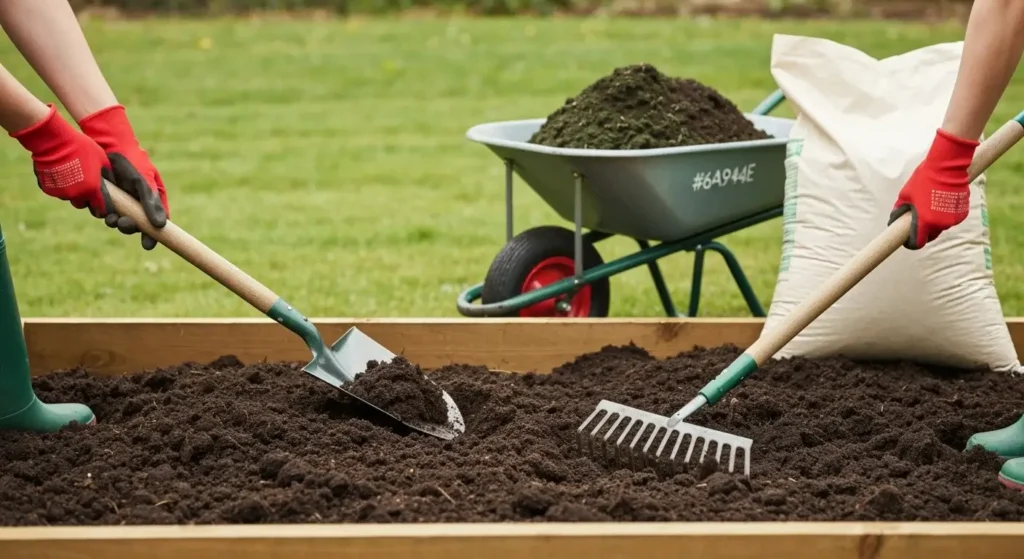
Before you drop a single seed into your fall raised beds, you need to give that soil a thoughtful refresh. This is the absolute best time to set up the environment for thriving cool-season crops later on.
First, get a clean slate: pull out the dead summer plants, toss anything that showed signs of disease far away from the garden, and make sure you rake out all the old leaves and debris. Pests and pathogens love hiding in that leftover mess when it gets dark and damp!
Next, gently turn the soil about one shovel depth. You want to loosen things up to encourage good structure, but please avoid pulverizing all those nice aggregates—we want good drainage here.
This is where we focus on feeding the soil properly for late-season growth. Add a generous 4 to 6 inches of high-quality compost across the entire bed. This replenishes the organic matter and boosts the microbial life that supports nutrient uptake for your late-season crops. Consider this your organic boost!
I always mix in a balanced, slow-release organic fertilizer at this stage, following the package directions precisely. Finally, lay down 2 to 3 inches of mulch. This protects your microbes from fluctuating temperatures and helps preserve moisture through the fall chill.
Quick Wins and Succession Sowing in Your Fall Raised Beds
If you want quick results, you must choose fast-maturing varieties. Think radishes that are ready in about 20 to 40 days, or leaf lettuce that hits maturity in just 30 to 40 days. These quick turnaround times mean you get those speedy harvests and create room for another quick planting!
My personal rule? I always stagger my sowings—that’s succession planting—every 10 to 14 days. This technique creates overlapping harvest windows. When one row of spinach is done, the next one is just hitting peak flavor. It prevents that overwhelming single harvest day!
Prioritize Quick Wins in Your Seed Choices
To stay ahead of the cooling trend, focus on cultivars explicitly labeled as “early” or “quick.” If they take 60+ days, you’re playing a risky game with your first frost date!
- Radishes: Aim for 30–40 day varieties—they are the fastest payoff.
- Arugula: Look for varieties ready around 30 days for that spicy bite.
- Kohlrabi: Many types are ready around 42 days and handle a little frost.
- Leafy Greens (Spinach, Bok Choy): Select those labeled 30–45 days maturity.
I learned this the hard way when I tried growing a heritage tomato in July—it never ripened! Swapping in those early types for fall greens guaranteed I kept harvesting right up until the snow flew. Remember, quick wins matter!
Stagger Sowing Intervals for Continuous Production
Once you have those quick varieties locked in, the next step in your fall garden planting calendar is spacing out when you plant them. You want the harvest to roll in consistently, not flood your kitchen all at once next Tuesday.
Your sowing cadence should generally fall every 14 to 21 days for quick crops like radishes, carrots, and spinach. This ensures that when one patch is finishing, the next is just starting to yield.
After you clear out a row, remember to amend that spot immediately—a fresh dose of compost helps sustain the family of crops you are rotating in next.
How to Extend a Fall Garden with Cold Frames and Protection
If you want to truly maximize your space, you absolutely need to learn to use cold frame protection. These simple, often homemade structures are the most reliable tricks for stealing extra weeks—sometimes even months—of growth from your fall raised beds.
A cold frame effectively traps solar heat, shields tender crops from light frost, and acts as a mini-greenhouse for any late-stage seedlings that need protection. Setting the frame facing south is best, and keeping it low and wide helps maximize light exposure.
Squeeze extra growing weeks from raised beds with simple cold frames—trap heat, block frost, and nurture seedlings.
Maintenance is minimal, but vital. You must vent the frame daily when it’s sunny, even if it’s cool outside, to prevent humidity buildup, which leads to rot. Keep the glazing (the clear lid) clean so maximum light gets through.
On nights when the temperature is plunging, you might need to add a blanket or straw matting over the top for added insulation. Watering deepens less frequently in these protected environments, but always check moisture levels weekly!
Regional Timing Tips: Pinpointing Your Frost Dates for Gardening
To start planting anything successfully, you need your anchor point: the average first frost date for your region. Guessing games end here! Your local agricultural extension office or any reliable online frost date calculator can give you a painless estimate based on your zip code.
Once you have that date, you work backward, factoring in how long your crops take to mature. For instance, spinach needs about 6 to 8 weeks before the frost hits, while those trickier brassicas need to be transplanted 8 to 10 weeks before that chilly night arrives.
Count Back From Frost to Create Your Schedule
Knowing your regional first frost gives you permission to stop worrying about the weather report every minute. This date becomes the fixed starting point for your entire fall garden planting calendar.
The timeline looks like this: Calculate your sowing date = (Frost Date) – (Crop Maturity Time) – (14 to 18 Day Buffer). That buffer accounts for delayed germination or a slightly warmer-than-average September.
| Crop Type | Weeks before frost (Approx.) |
|---|---|
| Leafy Greens (Direct Sow) | 6–8 Weeks |
| Roots & Brassica Transplants | 4–10 Weeks |
- Use reliable sources for your median earliest-frost date, noting the 50% occurrence probability.
- Remember to rotate your seed stock; keeping seeds fresh is crucial when relying on short maturity windows.
Fine-Tuning: Adjust for Microclimates Right in Your Yard
While the county frost map is a solid starting reference, the real magic happens when you adjust that date to the quirks of your own yard. A raised bed sitting right against a south-facing brick wall acts like a heat sink; a spot near a low dip where cold air drains will freeze faster.
Spend a week watching your backyard. Where does the sun hit first in the morning? Where are the wind tunnels? These small observations can shift your planting windows by a week or two, which is huge when dealing with fast crops.
Addressing Organic Fall Pest Control Techniques for Raised Beds
While those warm-weather pests disappear, the cool season brings out a new crew. Slugs and snails absolutely love the damp, mild conditions of the fall garden, and you might still see aphids or armyworms hanging around.
For slugs and snails, an organic approach works wonders. Try setting shallow traps baited with stale beer, or use pellets containing ferric phosphate (which is safe around pets and beneficials). You can also create barriers using diatomaceous earth or copper tape around the perimeter of your beds.
Crucially, inspect transplants thoroughly before moving them into your prepared beds. Encouraging beneficial predators, like ground beetles, by maintaining healthy soil structure and providing some cover is always the best long-term strategy.
Frequently Asked Questions about Fall Gardening
When to sow fall vegetables in raised beds?
Generally, you should start sowing quick greens like arugula and spinach about 8 to 10 weeks before your area’s average first frost date. For brassicas like kale or broccoli, start seeds indoors 4 to 6 weeks before that date if you want transplants ready for the cooling soil.
How can I extend a fall garden using cold frames?
Cold frame protection traps solar energy, creating a warmer, sheltered environment at night. Prop the lid open daily when the sun is out to vent humidity, which prevents rot. On bitterly cold nights, cover the frame with an old blanket or straw for added insulation to keep temperatures just above freezing.
What is the seed schedule for radish and arugula in fall raised beds?
For continuous harvest, direct-sow radishes and arugula every 2 to 3 weeks throughout late summer and early fall. Since these varieties mature in about 30–40 days, staggering your planting means you will be harvesting one patch while the next is just reaching peak size.
How do I rotate crops within small raised beds?
Effective crop rotation in raised beds means moving plant families to different spots yearly. If you grew heavy feeders like cabbage (a brassica) in one quadrant this year, plant a light feeder or a nitrogen fixer (like peas or beans, if you can fit them in) in that spot next year, always topping up with fresh compost.
Can I plant garlic in fall for harvest next summer?
Absolutely! Plant hardneck garlic varieties in mid-to-late fall—usually 4 to 6 weeks before the ground freezes hard. Make sure the raised bed soil preparation is rich, and mulch heavily; the goal is to keep the cloves cool until they can sprout in early spring.
Conclusion: Your Next Steps for Bountiful Fall Raised Beds
Getting a second, bountiful harvest from your fall raised beds doesn’t require complicated equipment—it requires planning. Did you know that a huge percentage of the best cool-season vegetables mature in under 60 days?
Focus on finding those fast-maturing varieties, refreshing your soil with ample compost, and committing to that steady rhythm of succession planting. One core rule to always remember: always schedule your planting date by calculating your local initial fall frost date minus the crop’s days-to-harvest, plus that necessary buffer time.
Use a simple cold frame to sneak an extra month of harvesting potential out of your garden. Go ahead—your neighbors will be impressed by the fresh greens you’re still pulling up next month!


