
When it comes to setting up a thriving vegetable patch, skipping the mulch step is like leaving your garden exposed on a chilly night. Mulch is truly one of the best mulches for vegetable gardens, acting as a protective armor that keeps soil happy and weed-free. We’re going to deep dive into the top five contenders.
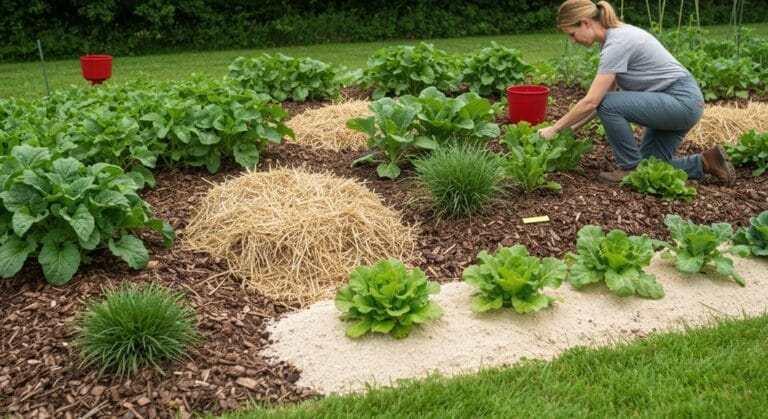
My top picks—compost, grass clippings, straw, wood chips, and shredded leaves—each bring something unique to the table, whether it’s incredible nutrient enrichment or unbeatable, long-lasting weed suppression. Think of this as your definitive vegetable garden mulching guide to help you pick the perfect organic mulch options for vegetables you grow!
Key Takeaways: Choosing Your Garden Mulch
- Compost does double duty: it feeds the soil while smothering weeds, fostering great soil structure and moisture retention.
- Grass clippings decompose quickly, offering nutrients and suppressing weeds, but they need frequent reapplications.
- Straw is wonderfully cost-effective, excellent for keeping moisture locked in, and significantly reduces weed impact if layered thick enough.
- Wood chips offer slow, long-term benefits, improving soil health over time and providing robust weed control.
- Shredded leaves are nature’s free gift to the garden, improving aeration and nutrients while mimicking natural conditions.
These are the building blocks. Now let’s look at the details so you can make an informed choice for your specific planting needs.
Compost as a Versatile Mulch: The Nutrient Powerhouse
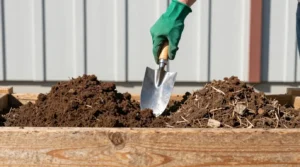
In the context of mulching your vegetable garden, compost truly shines as a game-changer. It’s not just a top dressing; it’s a slow-release meal for your soil. As it breaks down, it provides essential nutrients your veggies crave.
Plus, a well-applied two-inch layer acts like a perfect barrier. This helps keep pesky soil-borne diseases near the surface instead of splashing up onto your plants. It’s a crucial step for promoting healthier growth overall.
Beyond the obvious, compost attracts beneficial microorganisms and earthworms—you know, nature’s little tillers. They work tirelessly to improve soil structure and increase soil moisture retention.
The only catch? Compost breaks down fairly quickly. This means regular reapplication is key to maintaining performance. Keep that compost material coming, and you’ll enjoy a thriving vegetable garden season after season! It’s genuinely a gardener’s best friend.
Grass Clippings for Easy Coverage: Use with Caution
After exploring the depth of compost, you might be looking for another quick and easy way to get coverage over your patch. Enter grass clippings!
They are wonderfully nutrient-rich and can do a surprisingly good job at weed suppression when applied correctly. However, here is where we need a little caution: apply them too thickly, and they can mat down instantly, causing overheating. Yikes!
Grass clippings are a nutrient-rich mulch that suppresses weeds—just apply in thin layers to avoid matted messes!
Because they break down so fast, you’ll likely need to reapply every couple of weeks. That rapid decomposition is a trade-off for the quick boost of nitrogen they provide, and they certainly help with soil moisture retention while stabilizing soil temperature.
A non-negotiable rule here: only use clippings from lawns that haven’t been treated with herbicides. We certainly don’t want to accidentally mulch-feed our weeds with chemicals!
Straw: A Cost-Effective Option That Protects Root Zones
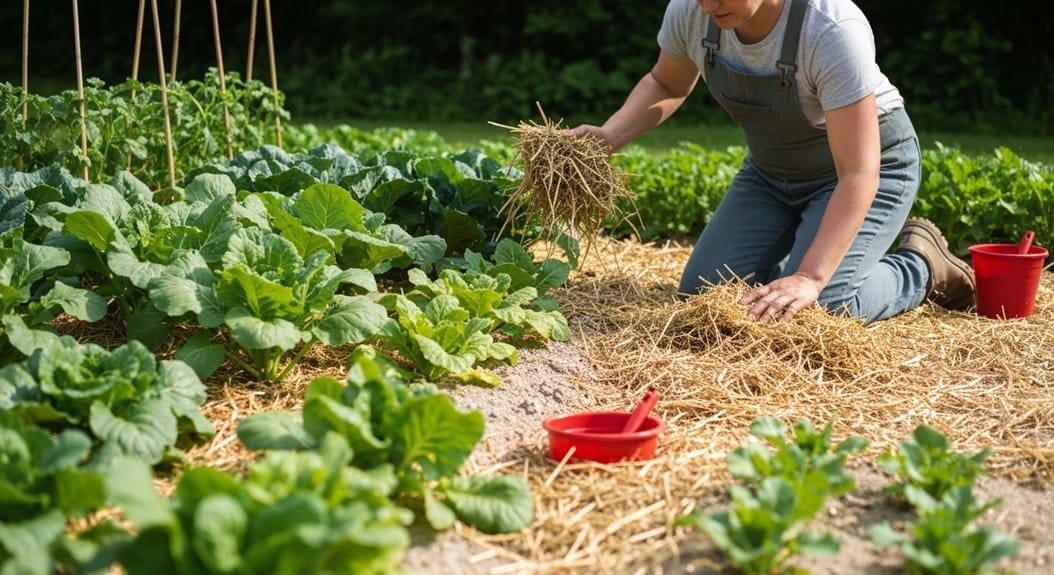
While many people picture straw just sitting in a barn, it is an absolutely fantastic, cost-effective mulch option for your vegetable garden. If you are looking to cover a large area without breaking the bank, straw often wins.
Straw excels at letting air and water penetrate while keeping soil temperatures remarkably stable. This dramatically reduces how often you need to head out with the watering can. A key difference: unlike hay, straw has a much lower probability of introducing unwanted weed seeds.
To really shut down those weeds, aim for a layer of at least four inches. As it slowly breaks down, it contributes valuable organic matter that can gently improve both soil quality and nutrient content over time.
Remember, always try to choose herbicide-free straw. A little diligence upfront ensures you are nurturing your soil, not harming it, making it an ideal choice for organic mulch options for vegetables.
Wood Chips for Long-Term Benefits in the Garden Beds
If you prefer a “set it and forget it” approach for some areas, wood chips are the answer. When you seek a mulch that offers long-term benefits beyond just one season, wood chips are hard to top. They excel at durable weed suppression.
They are excellent for pathways, orchards, and even surrounding deep-rooted vegetables. Here is why I often integrate wood chips into my longer-term garden plans:
- Superior Soil Moisture Retention: A thick 2-4 inch layer significantly cuts down on evaporation, ensuring your plants have consistent access to water.
- Organic Matter Enhancement: As these break down—which takes time—they massively enrich the soil base over several seasons.
- Beneficial Organisms: They become a habitat for earthworms and beneficial fungi that improve the overall soil ecosystem.
Now, wood chips take a while to decompose, so be aware that they might temporarily tie up nitrogen as they break down. Using aged wood chips or mixing them into existing compost first can help mitigate that effect, giving your hungry veggies the best chance to flourish. Trust me, your garden will thank you for the structural support!
Shredded Leaves: Nature’s Cost-Effective Gift
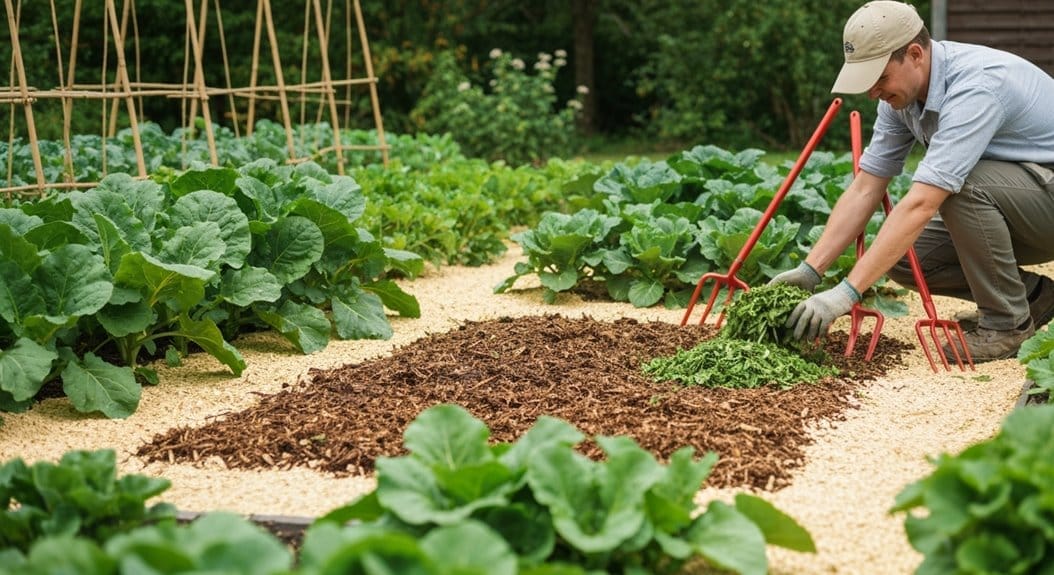
If you are looking for a mulch that feels like nature’s cozy, free blanket for your vegetable garden, look no further. Shredded leaves are an exemplary mulch that mimics the forest floor, enriching the soil as they decompose.
They are packed with vital nutrients and significantly boost soil aeration, which is key for healthy root development. I always shred leaves before applying them; this prevents them from matting into a dense sheet and ensures water penetrates right down to the roots.
Just a two-inch layer performs wonderfully for weed suppression while conserving that precious moisture. Since they are practically free and abundant every autumn, sustainability-focused gardeners often cite this as their top choice for organic mulch options for vegetables.
Comparing Common Mulch Types: Compost vs. Straw Mulch
One of the most common questions I get is about the classic showdown: compost vs straw mulch. They handle different jobs best, which is why many experts use both!
Compost is primarily a soil amendment and a short-term mulch. It breaks down fast, feeding the soil rapidly, but it needs frequent topping up to maintain that weed barrier.
Straw, on the other hand, is a better long-term physical barrier. It’s wonderful for soil moisture retention in the summer heat, though it doesn’t offer the immediate nutrient punch that fully broken-down compost does.
If your soil is already healthy, use straw for coverage. If your soil needs a major fertility boost, use compost as your primary layer. Sometimes, using a layer of compost first, followed by straw on top, gives you the best of both worlds!
Frequently Asked Questions About Vegetable Garden Mulch
What is the best mulch for raised garden beds?
For raised garden beds, I find shredded leaves or finished compost work exceptionally well. They enrich the soil as they break down, and they improve necessary aeration within the contained environment of the raised bed. Plus, they’re usually free!
What is the best mulch for tomatoes and cucumbers?
For warm-weather crops like tomatoes and cucumbers, retaining consistent soil moisture is key to avoiding issues like blossom end rot. Straw mulch is excellent here because it stays fluffy, retains moisture beautifully, and keeps fungal diseases on the soil surface from splashing up onto the lower leaves.
Is black plastic a good mulch for vegetable gardens?
While we focused on organic options, it’s worth noting that black plastic mulch does have a place, particularly for heat-loving crops like peppers or eggplant. Black plastic effectively warms the soil very early in the season and offers total weed suppression. However, it offers no nutrient enrichment and creates runoff issues, which is why most vegetable gardeners prefer an organic route.
How thick should I apply mulch for weed suppression?
To achieve effective weed suppression with organic materials like straw or wood chips, I always aim for a layer that is 3 to 4 inches thick. If you go thinner, weeds will find the gaps. If you use compost, 2 inches is usually sufficient due to its density.
Conclusion
So there you have it—the five best mulches for vegetable gardens, detailed and ready for action. Whether you choose nutrient-dense compost, cost-effective straw, or nature’s gift of shredded leaves, remember that mulch is your garden’s cozy, protective layer.
Applying the right mulch means less time weeding and watering, and more time harvesting delicious veggies. Grab your preferred medium and get spreading! Your garden will be healthier, and you might just feel like a true gardening superhero in the process. Happy mulching!