
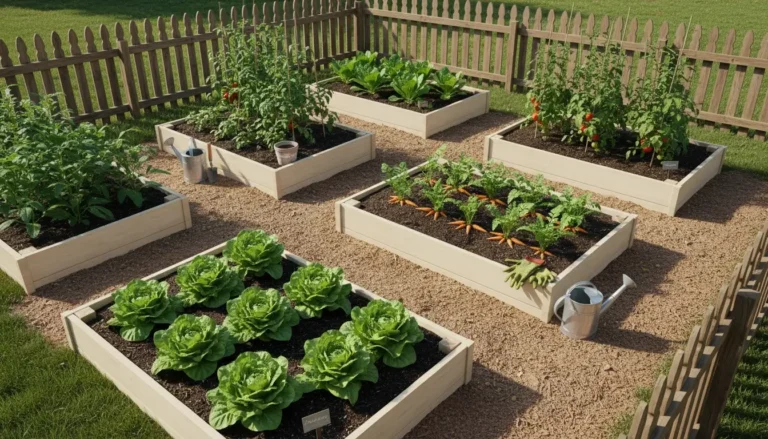

Welcome to the world of raised bed gardening! If you’re looking to maximize your harvest, minimize back strain, and keep things neat, getting your dimensions and plant spacing just right is key. It feels like building a tiny house for your veggies, and just like any good house, the foundation—your bed size—is everything.
We’re going to dive deep into the best raised garden bed dimensions, learn a few tricks for optimal raised garden bed spacing, and explore how the famous Square Foot Gardening method fits perfectly into these tidy structures. Forget guessing games; we’re using proven measurements for fantastic results.
Why Bed Width and Reach Matter for Ergonomics
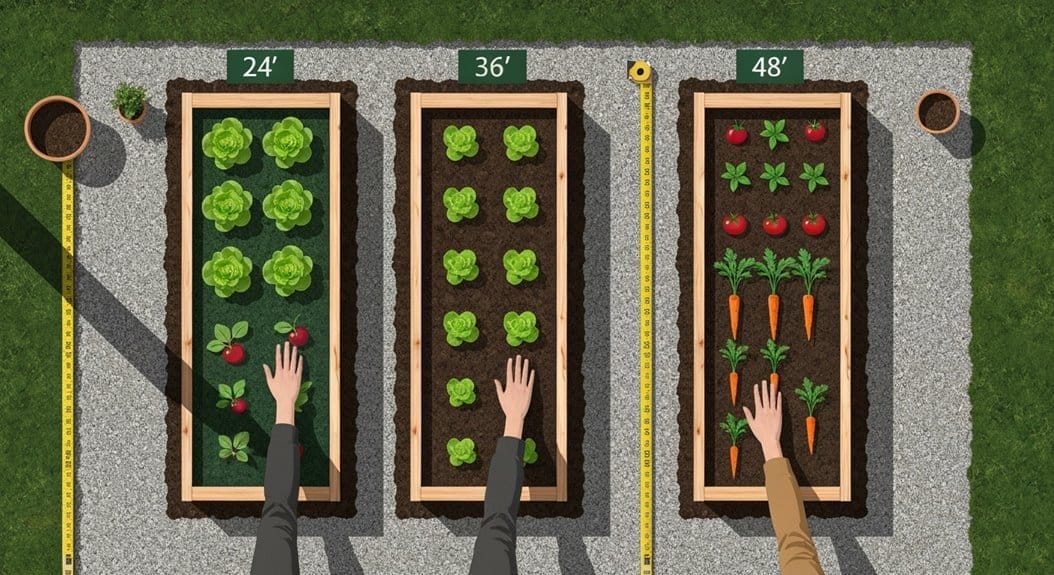
The first thing we need to talk about is the optimal raised bed width. This isn’t just about aesthetics; it’s about access! You want to be able to reach the middle of your bed easily without having to lean over too far, or worse, step inside and compact that lovely soil you just filled it with.
For beds accessed from both sides—which is most common—aim for a width between 3 and 4 feet. Why this range? Because the average person can comfortably reach about 1.5 to 2 feet from either edge. Anything wider than 4 feet means you’re forced to step in, which defeats one of the major benefits of raised beds!
- Two-Sided Access: Keep beds 3–4 ft wide to reach the center without stepping on the soil.
- Wall Access: If the bed borders a structure (like a house wall or fence), restrict the bed width to 1.5–2 feet, as you’ll only access it from one side.
Speaking of height, while not directly related to width, raised heights (typically 6 to 24 inches) certainly help with bed ergonomics. They reduce bending and make planting and harvesting much kinder on your knees and back. Just remember, very high beds tend to dry out faster, so keep that in mind when watering.
Optimal Plant Spacing by Crop Type in Raised Beds
Once you have your physical space figured out, it’s time to tackle raised garden bed spacing. This is where we move from construction to cultivation. Planting too closely leads to competition for nutrients and poor airflow, inviting pests and disease.
Spacing needs vary widely depending on what you’re growing. Think about the size of the mature plant,
For huge, space-hungry friends like beefsteak tomatoes, you’ll want to give them lots of room—think 24 to 36 inches apart. On the flip side, root vegetables or leafy greens planted via square foot gardening plant spacing chart for raised beds will be much happier bunched together.
Here’s a quick reference for some common crop types:
- Large Crops (Tomatoes, Squash): Space 24–36 inches apart.
- Medium Crops (Peppers, Eggplant): Space 14–18 inches apart.
- Small/Root Crops (Carrots, Radishes): Space can be tight, often 1–6 inches apart, depending on the variety.
A great trick in raised beds is utilizing vertical space and companion planting techniques. Always consider placing taller crops—like vining beans or peas that need a trellis—on the north side of the bed. This prevents them from casting shade over your smaller, sun-loving crops later in the day. This strategic placement helps maximize your overall plant density.
Square Foot Gardening Layouts for Raised Beds: Maximizing Yield
If you love precision, the square foot gardening layout for raised beds method is your best friend. This system simplifies raised garden bed spacing by dividing your entire bed into uniform 1-foot by 1-foot squares. This turns complicated measurements into simple counting.
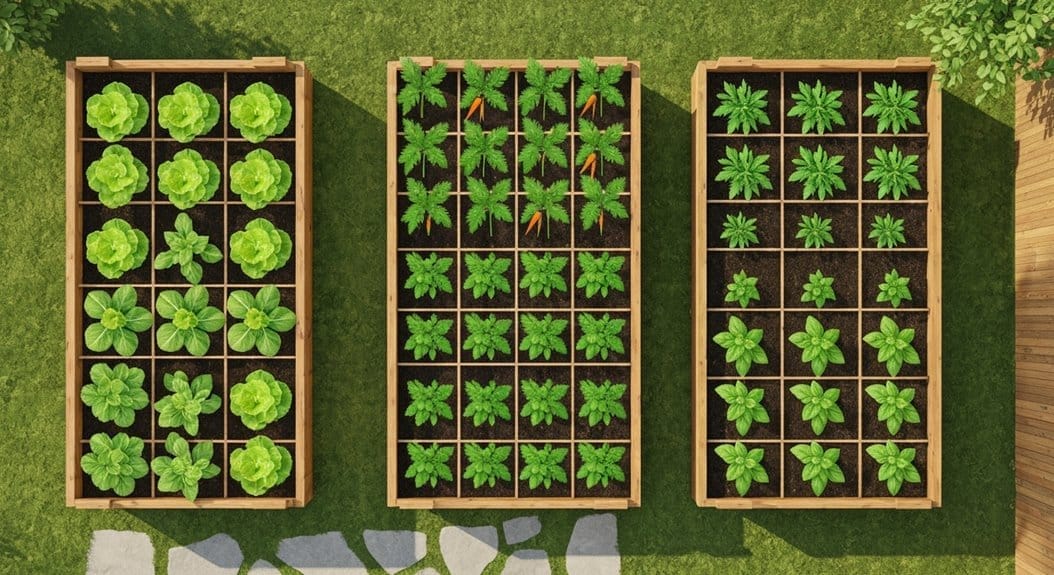
If you have a 4×4 bed, that’s 16 squares. A 4×8 bed gives you 32 squares to work with. You can then assign the number of plants that fit perfectly within that 1 sq. ft. allotment.
For instance, if you’re following a classic square foot gardening layout for raised beds, your allocation might look like this per square foot:
- 1 plant: Tomatoes or bush beans
- 4 plants: Lettuce or peppers
- 9 plants: Spinach or beets
- 16 plants: Carrots or radishes
The beauty of this is that it forces excellent discipline regarding plant density, ensuring plants aren’t choking each other out while maximizing the use of your bed space. Just remember to thin those seedlings early if you start them indoors so they have room to breathe once they hit the garden soil.
What is the Best Depth for a Raised Vegetable Bed?
The perfect raised bed depth for vegetables often depends on what you plan to grow. Think roots! Shorter plants need less soil depth than deep-rooted ones.
If you are mostly growing shallow-rooted greens and herbs, you might get away with a shallower bed, though many gardeners find that 10 inches provides better buffering against heat and drought.
- Shallow Roots (Greens, Herbs): 6–8 inches minimum.
- Medium Roots (Peppers, Beans): 10–12 inches is comfortable.
- Deep Roots (Tomatoes, Large Root Vegetables): Aim for 12–18 inches.
- Bushes or Perennials: If you’re growing large shrubs or perennial roots, 18 inches or more gives you peace of mind.
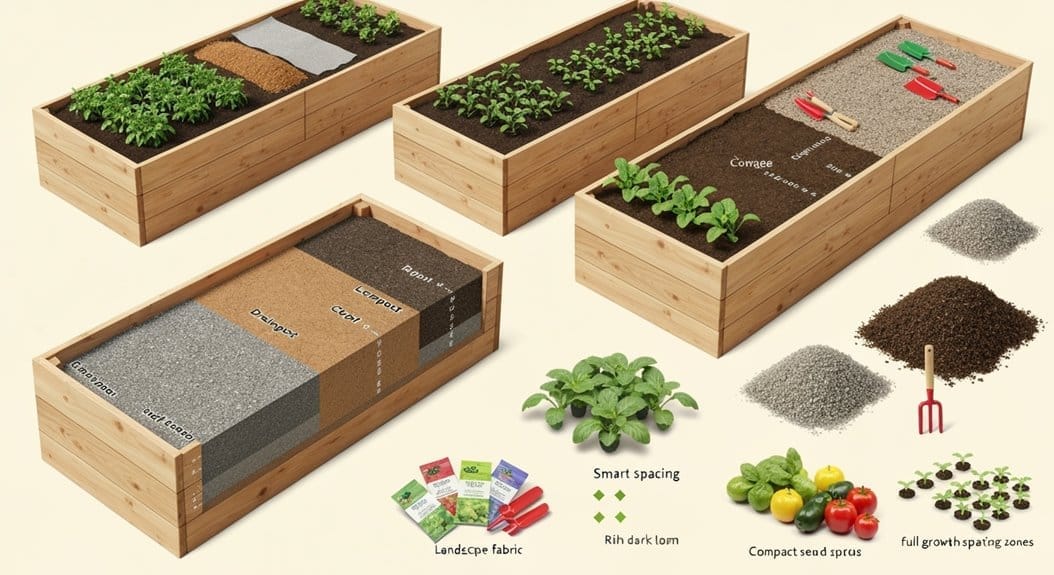
I’ve always preferred using deeper beds, even for greens. It allows me to layer materials underneath, which helps with water retention—a huge benefit, especially during those hot summer months.
Addressing Soil Health: A Quick Note on Filling Beds
Since we’re talking about optimizing depth, we must mention what goes in there! A common question, especially with larger beds, is raising soil mix for raised beds cost-effectively. Filling a 4x8x18 inch bed with pure bagged soil can bankrupt you quickly!
The secret is layering, often called Hugelkultur lite. You fill the bottom third with rough organic matter that will decompose over time (old logs, twigs, grass clippings). Then, you add a middle layer of aged leaves or wood chips. Finally, the top 6 to 10 inches should be your high-quality growing medium—a mix of compost, topsoil, and a porous material like perlite or vermiculite for drainage.
This method not only saves money but also improves long-term soil structure and fertility as that bottom layer breaks down, feeding your plants naturally.
Frequently Asked Questions
How Wide Should a Raised Garden Bed Be for Easy Access?
For comfortable gardening, the ideal optimal raised bed width is 3 to 4 feet if you can access it from both sides. If you are only reaching from one side (like against a fence), keep it 1.5 to 2 feet wide to prevent overreaching and straining.
What is the Best Depth for a Raised Vegetable Bed?
The best raised bed depth for vegetables depends on the root system. Aim for at least 6-8 inches for shallow greens, but for heavy feeders like tomatoes or carrots, 12 to 18 inches is recommended to allow deep root development and better moisture retention.
How Do I Implement Square Foot Gardening Spacing in My Raised Bed?
To implement square foot gardening layout for raised beds, mentally or physically divide your bed into 12-inch squares. Then, plant according to the density chart: 1 large plant (like a tomato) per square, 4 medium plants (like lettuce) per square, or 16 small plants (like carrots) per square.
How Do I Winterize Raised Beds for Cold Climates?
To winterize, remove spent debris, pull any weeds, and top dress the soil generously with 5 to 7 inches of compost or straw mulch. This protects the soil structure from heavy rain or frost heave and feeds the biology over winter.
What Pests Are Most Common in Raised Beds and How to Deter Them?
Common culprits include aphids, slugs, and cabbage worms. Deter them by ensuring good air circulation (proper spacing is key!), using physical barriers like floating row covers, and inspecting plants daily to hand-pick larger pests.
Conclusion
Mastering your raised garden bed spacing and dimensions is the secret handshake to high yields and happy gardening. Stick to those comfortable 3-to-4-foot widths so you never have to step inside, choose your depth based on the root requirements of your crops, and use the square-foot system to visualize your planting plan.
Remember, every inch matters when you’re gardening efficiently. Get the structure right—the width, the depth, and the spacing—and your vegetables will reward you handsomely. Now go plan out that perfect layout!


