Category Planting Layout & Rotation

Succession Planting: Maximize Yields All Season Long

succession planting and intercropping guide

Succession planting is the practice of sowing crops in timed sequences within the same garden space to deliver continuous harvests from spring to frost. Stagger sowings every 10-14 days for fast crops like radishes, use mixed-maturity varieties, and relay plant into maturing beds. Combine with crop rotation for soil health. Read on for proven strategies.
Perfect Raised Garden Bed Spacing for Max Yields

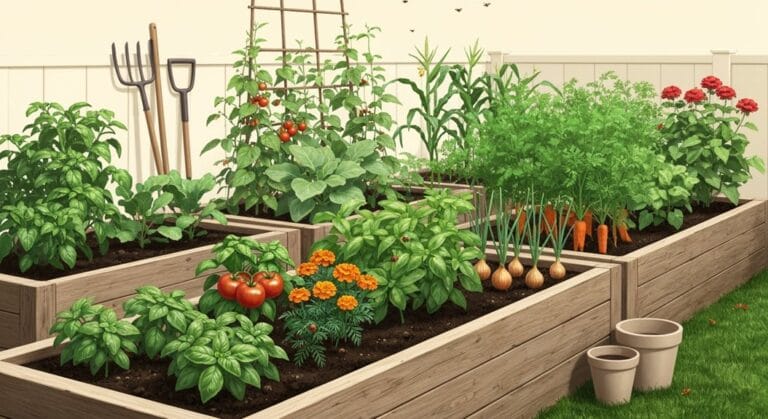
Raised garden beds showcasing optimal plant spacing for various vegetables, including lettuce, carrots, and tomatoes, within a well-organized backyard setting.

Optimal raised garden bed spacing varies by crop: 24–36 inches for tomatoes and squash, 14–18 inches for peppers and eggplant, and 1–6 inches for carrots and radishes. Square foot gardening divides beds into 1x1-foot grids for precise plant density. This boosts airflow, reduces disease, and fits ergonomics. Read on for widths, depths, and layouts.

Master Companion Planting: Science for Garden Success

companion planting that works

Companion planting is the science-based practice of growing mutually beneficial plant combinations to enhance pest control, soil health, and pollination. Legumes fix nitrogen for heavy feeders like tomatoes, while trap crops like nasturtiums divert aphids and marigolds suppress nematodes. Strategic pairings maximize nutrient uptake and attract pollinators. Read on to discover proven charts and plans.

Stop Wasting Space: Best Raised Bed Layouts Revealed

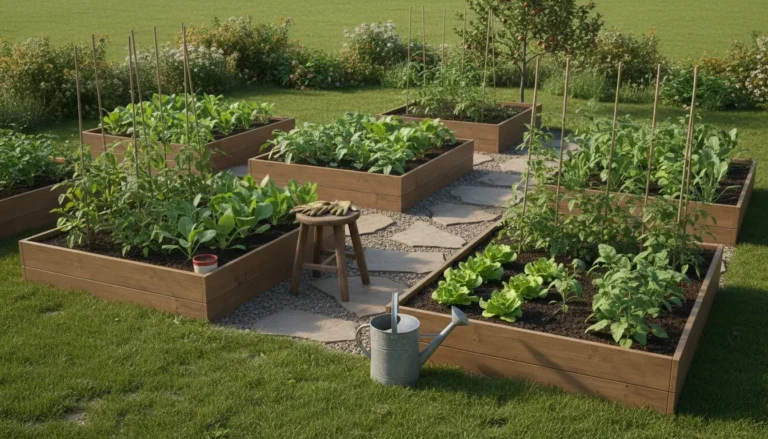
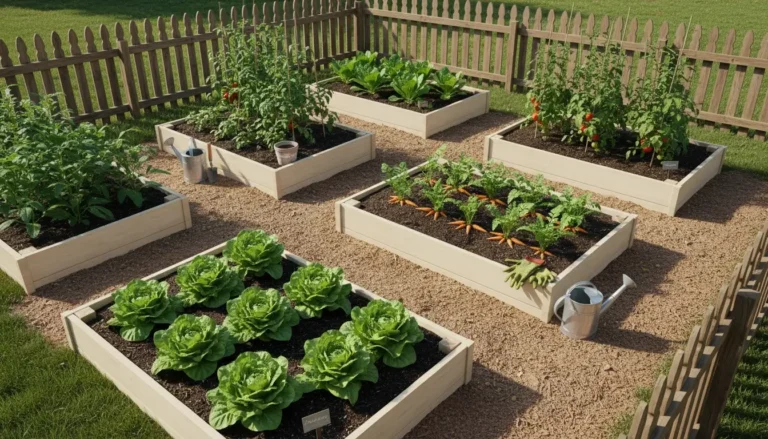
Raised garden beds with various vegetables growing in a well-organized layout, featuring a gravel path and stepping stones.

Raised bed layouts include row, grid (square foot gardening), and block methods to optimize space and yield. Rows provide easy access but waste 30% on walkways; grids structure 1x1-foot zones for high density; blocks offer maximum production via contiguous planting. Choose based on access needs versus output. Read on to compare and select the ideal layout.

Master Crop Rotation Methods for Thriving Gardens

simple crop rotation templates to copy

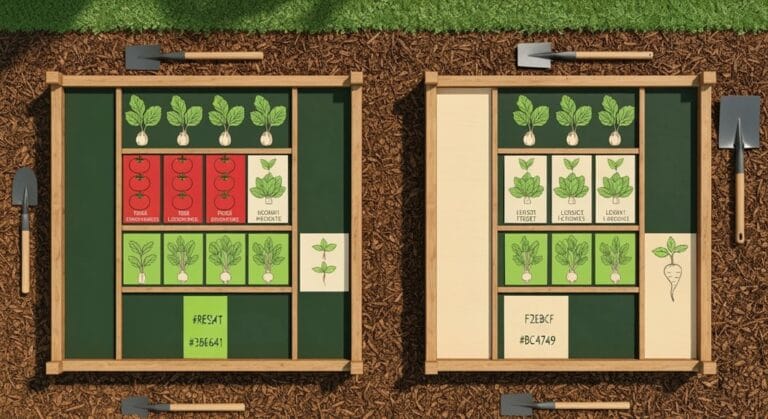
Crop rotation methods systematically shift vegetable families between garden beds annually to prevent soil nutrient depletion, disrupt pest cycles, and enhance soil structure. Key plans include leaf-root-fruit-legume cycles and four-year botanical family rotations using legumes for nitrogen fixation. These practices yield healthier plants within 2-3 seasons. Explore detailed guides below.

Raised-Bed Companion Planting: A Simple Step-by-Step Guide

raised bed companion planting guide

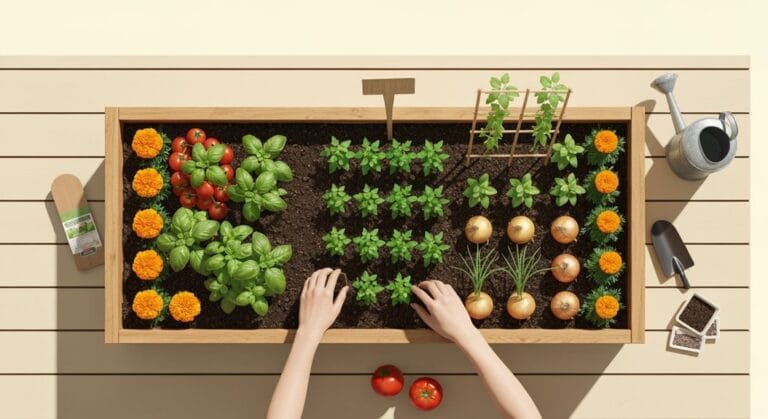
Raised-bed companion planting transforms a standard 4x4 foot garden by mixing tall and short crops on a 1-foot grid to maximize yield and minimize pests. By pairing nitrogen-fixing legumes with heavy feeders and using square-foot spacing—placing one tomato per square foot compared to sixteen carrots—you create a resilient microclimate that outperforms monoculture rows. Read the full guide to master specific plant combinations and seasonal rotation schedules.

Easy Companion Planting Guide for Herb Beds

easy herb companion guide

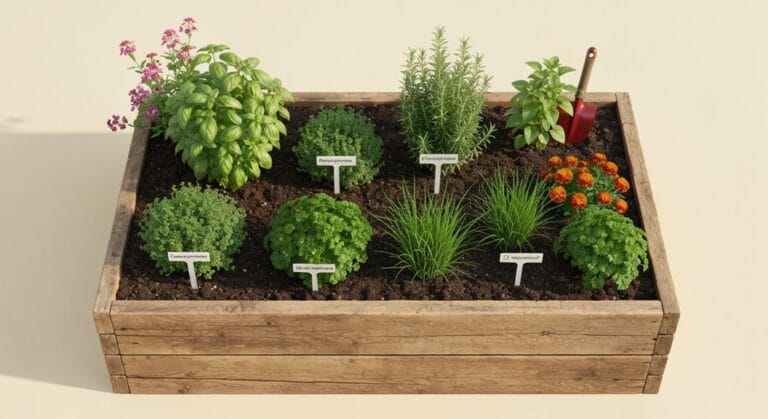
Build a thriving herb bed by grouping Mediterranean herbs (rosemary, thyme, oregano) in dry zones and moisture-lovers (basil, chives, cilantro) in damper spots, then add calendula or nasturtiums to attract beneficial insects and trap pests naturally. This companion planting approach reduces pest pressure compared to single-herb plantings while improving soil health through diverse root depths and nitrogen-fixing plants. Space compact herbs 6 inches apart, medium herbs 12 inches, and large spreaders 18–24 inches for optimal growth. Read the full guide to master specific pairings and maintenance routines that keep your herb bed productive year-round.