Sarah

Sarah

Sarah Johnson is the lead gardening researcher and curator at Home Food Harvest. She specializes in compiling evidence-based growing methods, analyzing manufacturer specs, and distilling practical insights from gardening communities to help small-space and urban growers harvest fresh food at home. Start small, harvest big!

30-Day Container Gardening Guide: Beginner Success

30 day container gardening plan

A container gardening guide is a 30-day step-by-step plan for selecting containers, ensuring drainage, mixing potting soil with 10-30% compost, planting, watering, fertilizing, controlling pests organically, mulching, and planning successions. It matches plants to USDA zones and sites for optimal growth. Key tips cover drainage holes in pots and summer balcony watering. Follow this roadmap for thriving gardens; read on for daily actions.

Balcony vs Patio Gardening: Best for Your Space?

balcony vs patio gardening comparison

Balcony gardening maximizes vertical space with lightweight containers and wind-tolerant plants, ideal for apartments; patio gardening leverages ground-level stability for raised beds and larger harvests. Key factors include load-bearing limits, watering frequency, and plant root depths. Compare layouts, soil needs, and maintenance to decide. Read on to discover tailored tips and designs.

Best Vegetables for Container Gardening: Pot Size Guide

top crops by pot size

The best vegetables for container gardening match root needs to pot size: leafy greens like lettuce and spinach thrive in 1-2 gallon pots; peppers, bush beans, and cherry tomatoes in 3-5 gallons; potatoes, full tomatoes, and dwarf fruit trees in 10+ gallons. Use well-draining soil mixes and follow watering schedules by size. Key tips include companion planting and organic pest control. Read on to discover detailed recommendations and calendars.

Ultimate Aquaponics Grow Bed Design: Depth, Size, Materials

Planting Seedlings in an Aquaponics Grow Bed Design

Optimal aquaponics grow bed design uses 12-18 inches depth for root development and biofiltration, food-grade materials like HDPE, and 50 sq ft surface area per pound of fish. This setup hosts beneficial bacteria in media beds for nutrient balance. Gravity drainage enhances efficiency. Read on to explore types, sizing, and FAQs.

Aquaponics System Smells Bad: Causes, Fixes & Prevention

A gloved hand uses a water testing strip to check the murky, foamy water in an aquaponics system, indicating a problem with water quality.

A bad smell in an aquaponics system signals anaerobic decomposition or high ammonia levels from poor water quality parameters like low oxygen or excess waste. Key causes include stagnant zones, overfeeding, and insufficient aeration. Fix it by boosting aeration to 5+ mg/L DO, siphoning sludge, and testing pH (6.8-7.2). Read on for detailed steps and prevention.

Compost vs Manure for Garden Soil: Which Wins?

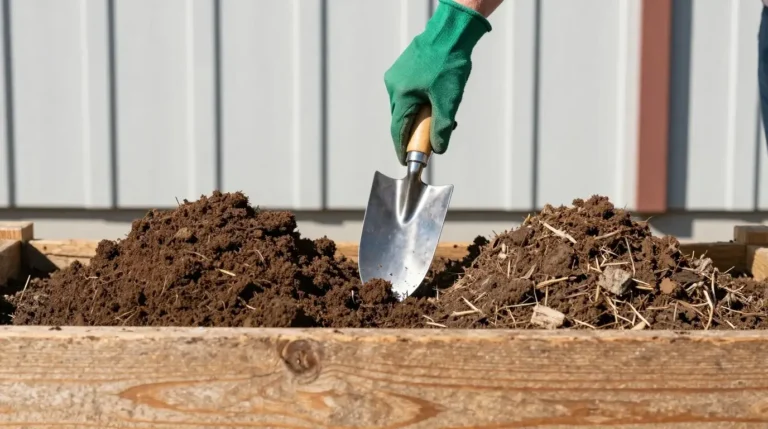
A gardener's gloved hand holding a trowel between two piles of soil amendment, comparing compost versus manure in a wooden raised garden bed.

Compost excels for long-term soil structure improvement and microbial diversity, while aged manure provides rapid nutrient release via higher NPK ratios for garden soil. Compost typically ranges 0.5-3.5 NPK with slow availability; manure like chicken hits ~1-0.8-0.5 but requires 90+ days aging to eliminate pathogens. Read on to learn best uses and combinations.

Master Raised Bed Pest Control: Organic Secrets

fast pest id for raised beds

Raised bed pest control starts with spotting damage like slime trails from slugs, skeletonized leaves from caterpillars, or curled tips from aphids, then applying organic fixes like handpicking, beer traps, and Bt sprays. Scout at dawn and dusk for early detection, rotate crops, and use row covers to prevent infestations. Integrate these IPM steps for healthy yields. Read on to discover detailed strategies.

How to Build a Low Tunnel: Fast DIY Season Extension

build a low tunnel quickly

A low tunnel is a simple hoop structure covered with row cover or plastic to extend the growing season by 2-6 weeks. Build one by spacing PVC or EMT hoops 3-5 feet apart, anchoring with rebar stakes, and securing fabric or plastic tautly over the frame. It takes under 30 minutes with basic tools. Read on to master materials, ventilation, and best practices.