Sarah

Sarah

Sarah Johnson is the lead gardening researcher and curator at Home Food Harvest. She specializes in compiling evidence-based growing methods, analyzing manufacturer specs, and distilling practical insights from gardening communities to help small-space and urban growers harvest fresh food at home. Start small, harvest big!

Master Raised Bed Gardening: Build, Soil & Harvest

Person filling a wooden raised garden bed with soil using a hand trowel for vegetable planting.

Raised bed gardening elevates soil in framed beds for optimal drainage, soil control, and easy access, ideal for vegetables in small spaces. Aim for 3-4 feet wide, 12-18 inches deep beds using a 40-40-20 mix of topsoil, compost, and sand. Start with site prep, gravel base, and landscape fabric. Read on to discover full building, planting, and troubleshooting steps.
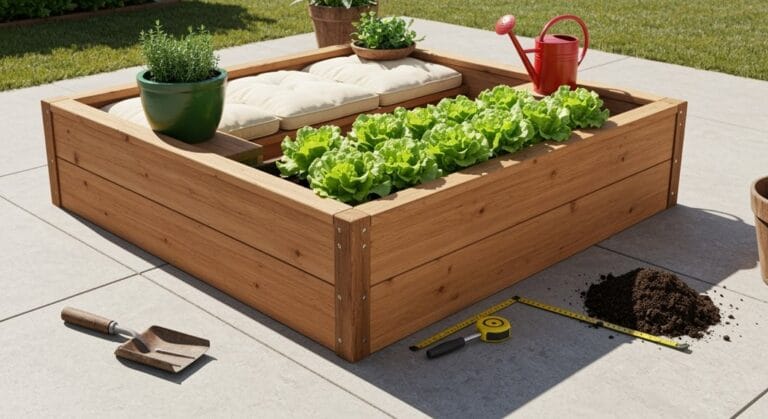
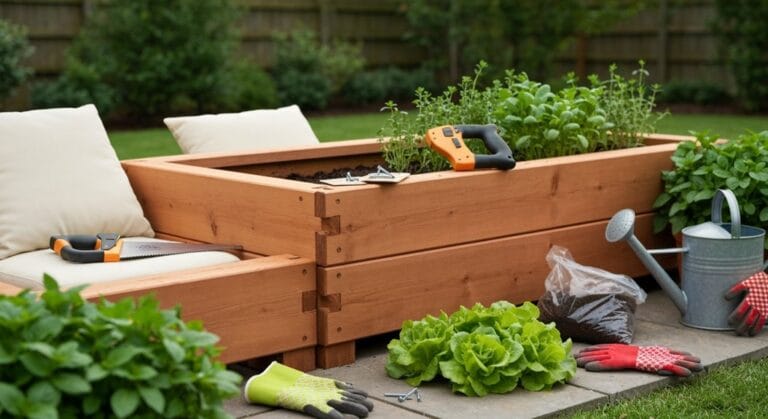
How to Build Raised Beds on Concrete Patios That Thrive

raised bed installation on concrete

Raised beds on concrete are elevated garden frames built directly on patios, requiring pavers for airflow, 2-3 inches of gravel drainage, geotextile fabric lining, and 60/40 soil-compost mix for success. This setup ensures root health, prevents rot, and manages heat reflection. Structural cross-bracing adds stability. Read on for step-by-step instructions.

Birdies vs Vego Raised Garden Beds: Ultimate Review

birdies vego raised beds

Birdies and Vego raised garden beds both feature 24-gauge Aluzinc-coated steel with stainless hardware for 20+ year lifespans. Birdies excels in larger interior footprints and rigid bracing for max planting area. Vego leads with quicker assembly and modular shapes for flexible designs. Read on for pricing, warranties, and your best pick.

Maximize Fall Raised Beds: Harvest Till Frost!

fall raised beds calendar

Fall raised beds extend harvests by planting quick-maturing cool-season vegetables 6-8 weeks before your first frost date. Subtract days-to-maturity from the frost date, adding a 14-18 day buffer for reliable timing. Use succession planting every 2-3 weeks and cold frames for protection. Read on for crop lists and step-by-step prep.

Best Raised Bed Depth for Vegetables: Crop Guide

raised bed depths 6 24

Raised bed depth for vegetables varies by root type: 6-8 inches for shallow-rooted greens like lettuce, 8-18 inches for medium crops like peppers and carrots, and 18-36 inches for deep rooters like potatoes. This ensures optimal drainage, nutrient access, and vigorous growth. Proper depth prevents stunted roots and boosts harvests. Read on for crop-specific depths and tips.

Perfect Raised Garden Bed Dimensions Guide

raised beds size spacing planting

Ideal raised garden bed dimensions are 3-4 feet wide by 6-10 feet long and 12-18 inches deep for most veggies. This balances two-sided access without straining while ensuring root space for tomatoes and carrots. Adjust to 2.5 feet wide for one-sided spots or 24-30 inches high for wheelchair access. Read on for full planning guidelines.

Starting a Raised Bed Garden: Ultimate Beginner Guide

raised bed starter plant guide

Starting a raised bed garden requires selecting a sunny spot with 6-8 hours of daily light, building a 4-foot-wide frame using rot-resistant cedar, and filling it with a 1:1:1 mix of compost, topsoil, and peat moss for optimal drainage and aeration. This setup ensures fluffy soil ideal for beginners. Plant radishes for harvests in just 25 days. Read on to discover detailed steps, layouts, and quick-win crops.