


Think raised beds are just for amateurs? I used to think that too. But after years of gardening, I’ve learned they’re actually one of the smartest moves you can make.
Raised beds give you warmer soil, better drainage, and the ability to plant 2–3 weeks earlier than your neighbors. Let me walk you through exactly when they shine—and when they might not be worth the effort.
Key Takeaways
- Earlier Harvests: Raised beds warm up faster, letting you plant 2–3 weeks sooner.
- Soil Control: Mix about 70% topsoil with 30% compost for the perfect balance.
- Depth: Go for 10–12 inches for most plants; 12–18 inches for root crops.
- The Real Cost: Higher upfront expense, plus more frequent watering and fertilizing.
- When to Use Them: Poor soil, rocky ground, contaminated sites, or when you need easier access.
Why Choose Raised Beds for Your Garden
I love raised beds because they let you escape the soil you’re stuck with. No more wrestling with clay. No more compacted, lifeless ground.
You get fast-warming, well-aerated soil right from day one. This means healthier roots and precise control over what your plants eat.
Weeds are another huge win. Raised beds cut weeds by up to 97%—that’s real money and time saved. Plus, pest inspection becomes so much easier when everything’s elevated and visible.
Key Advantages of Raised-Bed Gardening
What makes raised beds such a game-changer? Control.
You mix the soil yourself. Compost, loam, sand—you decide the recipe. This creates loose, airy soil that lets roots breathe and beneficial microbes (those tiny nutrient-recyclers) thrive.
The elevation matters too. Because the soil sits above ground, it warms up faster. I usually plant my tomatoes 2–3 weeks earlier than gardeners using in-ground plots.
Better drainage means less root rot. You’ll also tend plants without compacting the soil, which keeps it healthy and your back happy!
Raised beds also make it easy to use lasagna gardening to build nutrient-rich soil with layered organic materials.
Common Drawbacks and Practical Limits
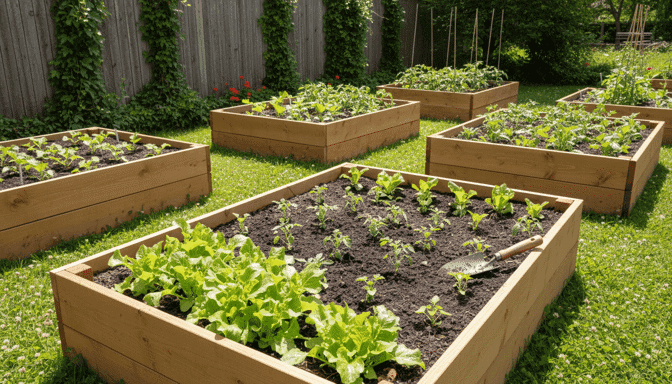
Raised beds aren’t perfect. Let’s be honest about the trade-offs.
Cost is real. Materials and soil add up fast. A single 4×8 bed can easily run you $200–400 depending on what you choose.
Watering is constant. Raised beds dry out faster, especially in summer heat. Expect daily checks during hot spells. This also means nutrients leach out quicker, so you’ll fertilize more often.
Depth limits some crops. Deep-rooted plants like parsnips or asparagus struggle in shallow beds. Plan accordingly.
They’re also a great option for gardeners with mobility issues because accessible beds can be built at comfortable heights.
| Issue | Why it matters | Quick fix |
|---|---|---|
| Cost | Materials + soil add up | Start small |
| Drying | Faster evaporation | Mulch, drip |
| Roots | Limited depth | Grow shallow crops |
| Weeds | Seeds hitchhike | Clean soil |
| Pests | Easier access | Netting, scans |
Choosing Materials and Building Considerations
The material you pick shapes everything—how long it lasts, how much heat it holds, and how often you’ll maintain it.
Wood is affordable upfront. Cedar or cypress resist rot naturally and avoid chemical leaching. Expect 10–15 years of life.
Metal (galvanized steel) lasts 20+ years but can heat the soil in direct sun. It’s low-maintenance but pricier.
Composite splits the difference—durable, no chemicals, but expensive.
Avoid old arsenic-treated wood at all costs!
Choose materials wisely—balance cost, durability, and wind exposure; metal endures, cedar resists rot and avoids chemical leaching.
How to Calculate and Maintain Soil Volume
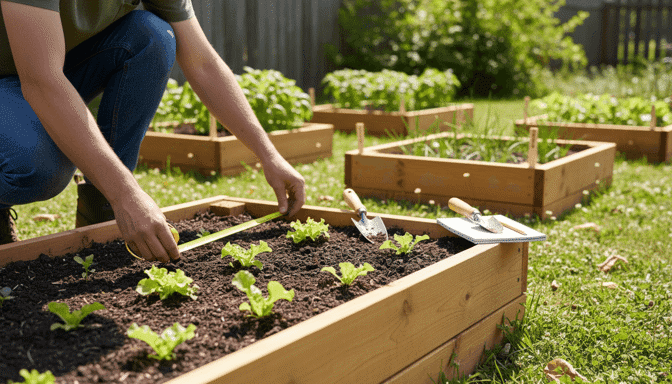
Here’s the math: Length × Width × Height (in feet) = cubic feet. Divide by 27 to get cubic yards for ordering.
A 4×8 bed at 12 inches deep? That’s 32 cubic feet, or about 1.2 cubic yards. I always add 10% extra for settling.
To keep your soil volume up, add 1–2 inches of compost every fall. This maintains depth and feeds your plants.
Amending and Topping up
Fall is prime amendment season. I add compost then so it has time to break down before spring.
I also mulch generously—2–3 inches of wood chips or straw. This keeps the soil cool, retains moisture, and prevents rapid drying.
| What | How much | When |
|---|---|---|
| Compost top-dress | 1–2 in | Annually (fall) |
| Worm castings | ~2% topsoil | At planting |
| Mulch refresh | 1–3 in | As needed, annual top-up |
Preventing Soil Compaction
Compacted soil feels like a brick. It squeezes out air and water, limiting root growth.
The rule is simple: never step on your planting zones. Use pathways. Keep your feet out.
If soil gets hard, gently fork it 3–6 inches deep. Avoid working wet soil—it compacts worse. Replenish organic matter yearly to keep it fluffy.working wet soil, fork gently 3–6″ if hardpan forms, and replenish organic matter yearly.
Best Situations and Uses for Raised Beds
Raised beds are perfect when your ground is poor, rocky, or contaminated. In cities, this is huge—you can create a clean growing space and avoid heavy metals in the soil.
They’re also ideal if you have mobility challenges. Build them at waist height (24–30 inches) to save your back and knees. Wheelchair users need about 24 inches with enough clearance underneath.
Season extension is another big win. Raised beds warm up 1–3 weeks earlier in spring, so you can plant warm-season crops sooner. Pair them with row covers or low tunnels to add weeks to both ends of your growing season.
Poor or Contaminated Soil
I’ve seen gardeners in cities turn contaminated ground into thriving food gardens using raised beds. The trick is simple: create a physical barrier and fill with clean soil.
Use landscape fabric under the bed to block root penetration. Avoid treated lumber. Test your soil and plant tissue periodically to confirm safety.
Accessibility and Mobility
If bending or kneeling is off the table, raised beds are your answer. Build them at a comfortable height—24 inches for wheelchair access, 30 inches for standing gardeners who can’t bend.
Make pathways at least 4 feet wide, firm, and obstacle-free. Add cut-outs or seating edges so people can rest while working.
| Feature | Guideline |
|---|---|
| Bed height | 24″ (wheelchair) / 30″ (standing) |
| Bed width | 3–4′ max for reach |
Season Extension and Warmth
I love how raised beds capture heat. The elevation plus better drainage means soil warms faster in spring.
Plant transplants earlier. Use plastic mulch or low tunnels to add 4–6 weeks of extra production. Keep soil loose and well-drained to protect roots from cold, wet damage.
Frequently Asked Questions
Can I Grow Fruit Trees in Raised Beds?
Yes — you can, and you’ll be doing neighbors a favor by creating joyful green pockets. Can I grow fruit trees in raised beds? Use dwarf rootstocks, deep soil, good drainage; raised beds on balconies or rooftops work too.
How Do Raised Beds Affect Beneficial Soil Microbes?
Raised beds enhance your soil microbiome by improving texture, drainage, and organic matter, which supports microbial nutrient cycling. You’ll protect fungal networks by minimizing disturbance, using compost, diverse plantings, gentle watering, and avoiding harsh chemicals.
Can Raised Beds Be Used on a Balcony or Rooftop?
Yes — you can use raised beds on balconies or rooftops if you assess load limits, manage balcony irrigation and rooftop wind exposure, get permission, choose lightweight materials, provide drainage, and design for easy access to serve others’ needs.
Are There Pest Issues Unique to Raised Beds?
Yes — you’ll battle tiny invasions daily: pest entryways like gaps and tunnels invite pests, and soil drainage effects create moist havens for slugs, fungi, and rodents; you’ll monitor, block, and protect plants for others.
What Wildlife or Pollinator Benefits Do Raised Beds Provide?
You’ll enhance pollinator attraction by planting diverse flowers and natives in beds, support birds and beneficial insects, foster soil microbial activity for healthier plants, and create teaching spaces where you’ll serve community well-being and biodiversity.
Conclusion
Raised beds give you control: better soil, fewer weeds, easier access. They’re not magic—they need water, compost, and occasional rebuilds.
But here’s what sold me: my friend Sarah took two 4×8 beds, filled them with a balanced mix (50% compost, 30% topsoil, 20% coarse sand), and added drip lines. She doubled her yields in one season.
That’s the power of raised beds. Start small, dream big, and enjoy the process!


