Category Raised Beds

Hose Timer Guide: Automate Watering & Save Big

set and forget hose timer

A hose timer is a battery-powered or mechanical device that attaches to your outdoor spigot to automate watering schedules, saving time and reducing water bills by up to 50%. Opt for digital models for set-and-forget simplicity or smart hose timers with weather-based adjustments and cycle-and-soak programming for optimal conservation. Key features include brass threads for durability. Read on for setup, maintenance, and buying tips.

Best Mulch for Moisture Retention & Weed Control: Pro Guide

moisture and weed suppression mulch

The best mulch for moisture retention and weed control is 3-4 inches of organic material like wood chips, bark, or hemp. This depth reduces soil evaporation by up to 90%, blocks sunlight to suppress weed germination, and improves soil health as it decomposes. Always keep it 2-3 inches from plant stems. Read on to compare types and master application.

How to Build a Raised Garden Bed: Ultimate Guide

A person filling a green raised garden bed with a shovel, adding soil and organic matter, demonstrating the initial steps for preparing a raised bed.

To build a raised garden bed, select a sunny, level site with 6-8 hours of direct sunlight daily. Construct a frame 4 feet wide max and 12-18 inches deep using rot-resistant cedar or steel. Loosen underlying soil, add a drainage layer of branches or cardboard, and fill with a 1:1:1 blend of topsoil, compost, and grit. Read on for complete steps.

Perfect Raised Garden Bed Spacing for Max Yields

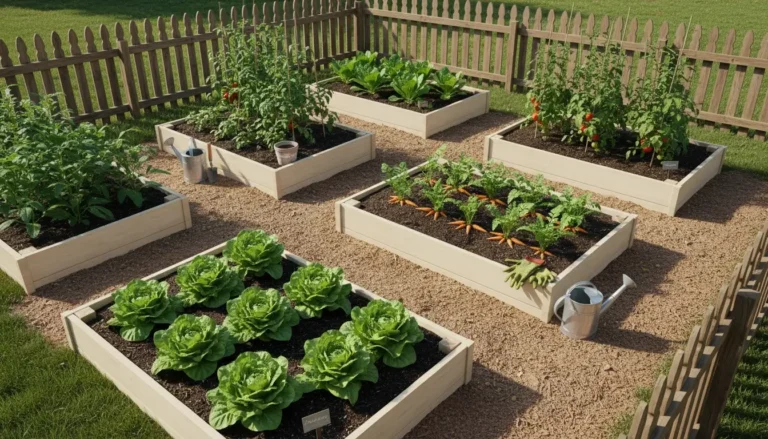
Raised garden beds showcasing optimal plant spacing for various vegetables, including lettuce, carrots, and tomatoes, within a well-organized backyard setting.

Optimal raised garden bed spacing varies by crop: 24–36 inches for tomatoes and squash, 14–18 inches for peppers and eggplant, and 1–6 inches for carrots and radishes. Square foot gardening divides beds into 1x1-foot grids for precise plant density. This boosts airflow, reduces disease, and fits ergonomics. Read on for widths, depths, and layouts.

Master Companion Planting: Science for Garden Success

companion planting that works

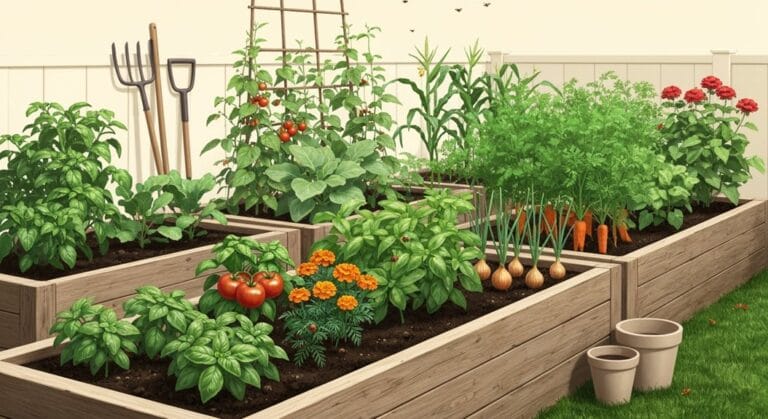
Companion planting is the science-based practice of growing mutually beneficial plant combinations to enhance pest control, soil health, and pollination. Legumes fix nitrogen for heavy feeders like tomatoes, while trap crops like nasturtiums divert aphids and marigolds suppress nematodes. Strategic pairings maximize nutrient uptake and attract pollinators. Read on to discover proven charts and plans.

Stop Wasting Space: Best Raised Bed Layouts Revealed

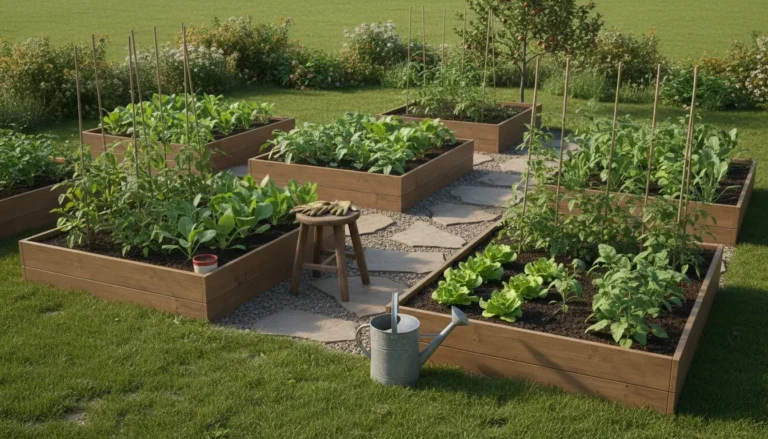
Raised garden beds with various vegetables growing in a well-organized layout, featuring a gravel path and stepping stones.

Raised bed layouts include row, grid (square foot gardening), and block methods to optimize space and yield. Rows provide easy access but waste 30% on walkways; grids structure 1x1-foot zones for high density; blocks offer maximum production via contiguous planting. Choose based on access needs versus output. Read on to compare and select the ideal layout.

Master Crop Rotation Methods for Thriving Gardens

simple crop rotation templates to copy

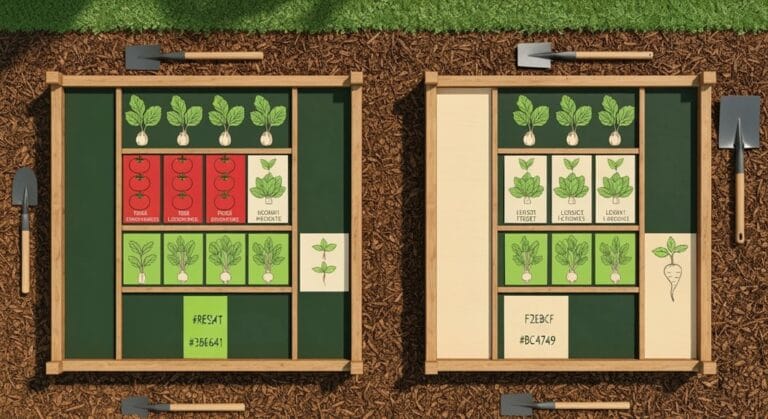
Crop rotation methods systematically shift vegetable families between garden beds annually to prevent soil nutrient depletion, disrupt pest cycles, and enhance soil structure. Key plans include leaf-root-fruit-legume cycles and four-year botanical family rotations using legumes for nitrogen fixation. These practices yield healthier plants within 2-3 seasons. Explore detailed guides below.

Raised Bed Walls Bowing? Fix & Prevent It Forever

stop beds bowing wall bracing thickness

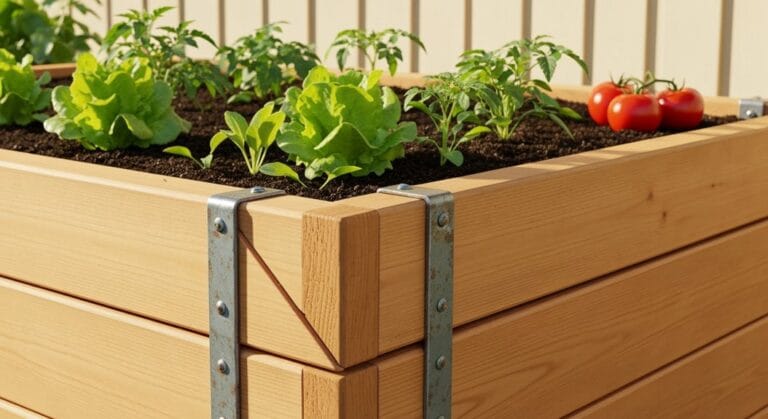
Raised bed walls bowing results from immense outward soil pressure, where moist dirt in a 4x12x2-foot bed exerts over 4,800 pounds per long wall on thin wood. Prevent it using 2x8 cedar boards minimum, galvanized L-brackets at corners, and mid-span braces every 4 feet. Read on for proven checklists and material guides.

Building Raised Beds on Concrete: Skip My Epic Fails

build on soil lawn concrete

Building raised beds on concrete requires a 3-4 inch pea gravel base topped with geotextile fabric to ensure proper drainage and prevent soil loss into the voids. This setup manages excess water evaporation since concrete blocks percolation. Use 18+ inches of 50% compost, 30% topsoil, 20% perlite soil for moisture retention amid heat radiation. Read on for full steps across surfaces.

Best Soil Mix for Raised Beds: Ultimate Recipe

ideal well draining nutrient rich soil

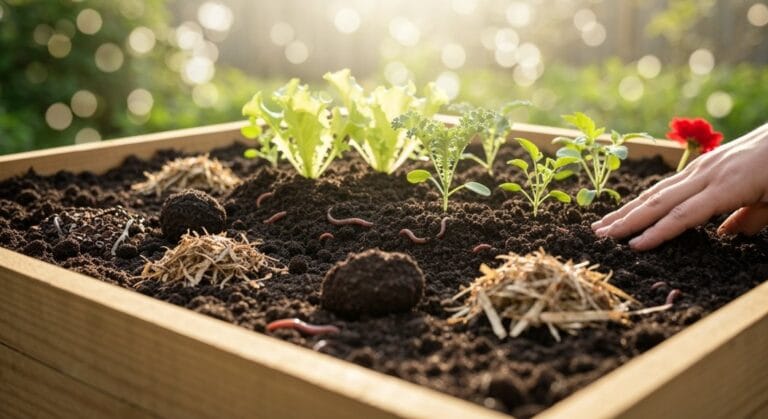
The best soil mix for raised beds consists of 50% premium topsoil, 30-40% high-quality compost, and 10-20% coarse materials like sand or perlite for optimal drainage and aeration. This loamy blend ensures moisture retention, nutrient cycling, and root health. Mix thoroughly for stability. Read on for exact ratios, amendments, and maintenance tips.