Category Raised Beds

Perfect Raised Bed Soil Mix Ratio for Epic Harvests
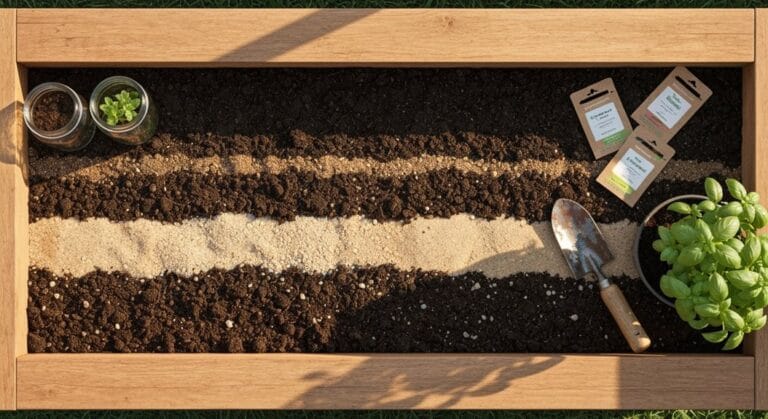
best raised bed soil mix

The optimal raised bed soil mix ratio is 40% topsoil, 30% compost, 20% coarse sand or grit, and 10% organic amendments like worm castings or biochar. This formula provides superior drainage, aeration, and nutrient retention for healthy roots. Test soil pH and adjust annually for best results. Read on to explore customized ratios and maintenance.
Bulk vs Bagged Soil: Cost, Quality & Best Uses

bulk vs bagged cost and quality

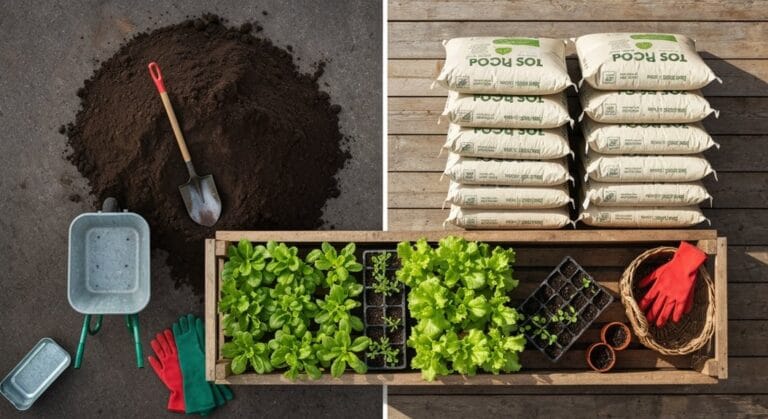
Bulk soil costs $20-40 per cubic yard, making it far cheaper than bagged soil at $67.50 equivalent for projects over 1 yard. Bulk offers fresher organic matter, better nutrient content, and custom blends, while bagged excels in convenience and sterility for small tasks. Delivery fees and storage are key considerations. Read on to discover the best choice for your project.

Raised Bed Placement: Avoid My Costly Garden Fails!

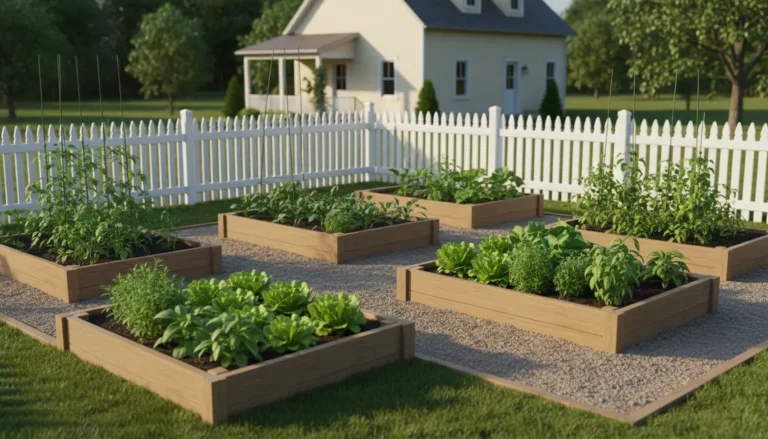
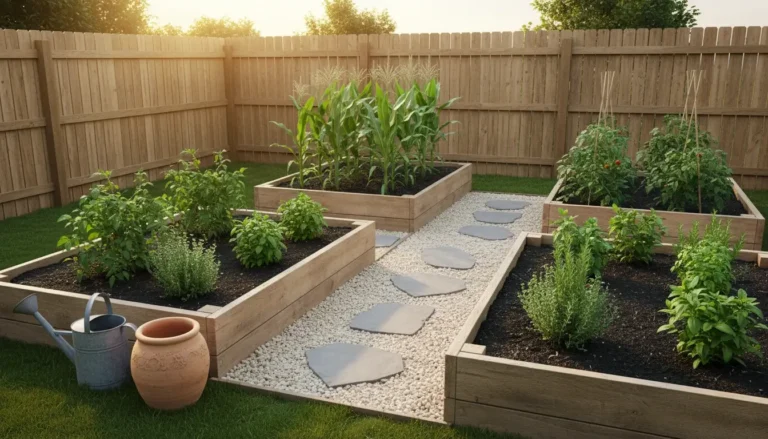
A well-designed backyard garden with raised wooden beds, strategically placed to optimize sun exposure, benefit from wind protection, and facilitate watering.

Optimal raised bed placement is a south-facing spot with 6-8 hours of direct sunlight, wind protection, and within 50 feet of a water source. This maximizes vegetable yield by preventing common failures like spindly growth and drought stress. Conduct a sun test every two hours from 8 AM to 6 PM and observe wind patterns. Read on for the complete site selection strategy.

Master Your Site Microclimate: Map Sun & Thrive!

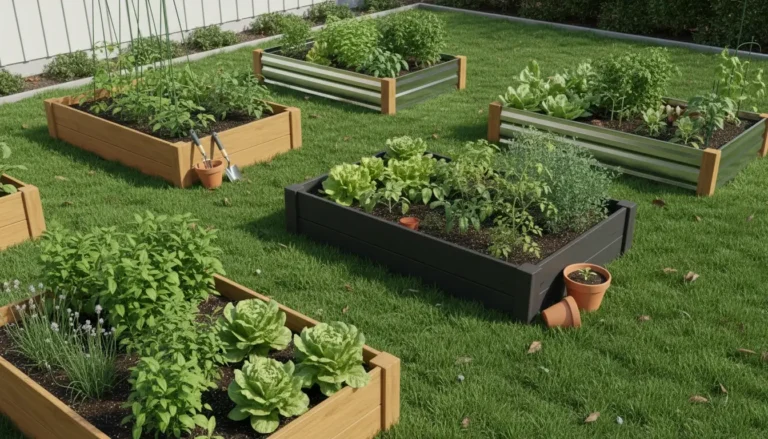
A well-organized backyard garden with multiple raised beds, demonstrating optimal plant placement for sun exposure and microclimates.

A site microclimate is a localized pocket on your property with unique temperature, moisture, sunlight, and wind conditions shaped by topography, structures, vegetation, and materials like thermal mass. Map sun exposure by observing paths at summer and winter solstices using simple tools or apps. Track wind patterns with flags or anemometers for precise analysis. Discover step-by-step techniques to modify microclimates for optimal gardening.

Best Material for Raised Garden Beds: Top Durable Picks

Various raised garden beds showcasing different materials like wood, metal, and composite, filled with thriving plants in a backyard setting.

The best material for raised garden beds balances durability, cost, maintenance, and food safety; top choices include galvanized steel (20+ years lifespan), cedar wood (15-20 years), and masonry (50-100+ years). Factors like climate and budget determine the optimal pick—metal excels in low upkeep, wood in aesthetics. Steel costs ~$0.08-$0.12/year long-term. Read on to compare all options and build guides.

Ultimate Non-Toxic Wood Treatments for Rot-Proof Builds

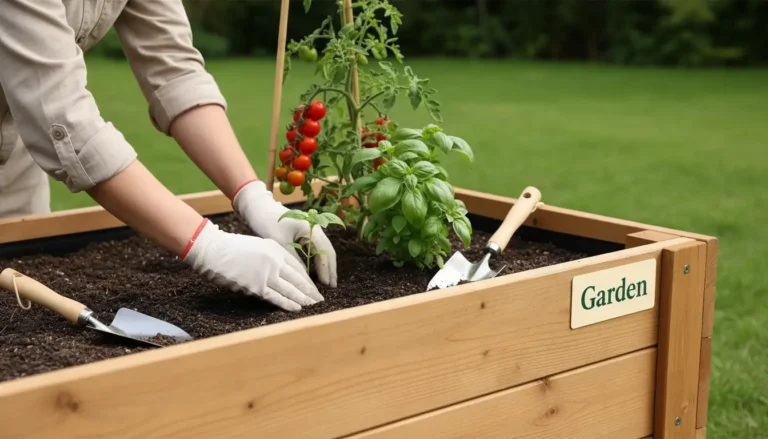
Person planting basil in a non-toxic, rot-resistant raised garden bed with tomatoes, promoting sustainable organic gardening.

Non-toxic wood treatments safeguard lumber from rot, fungi, and pests using low-toxicity methods like borates, thermal modification, and furfurylation, without harmful biocides. Borates excel in above-ground applications with minimal human risk, while modified woods like Accoya offer 50-year warranties and superior stability. These reduce VOCs and lifecycle costs. Read on for top picks and guides.

Growing Tomatoes in Raised Beds: Ultimate Guide

A woman gardener carefully harvesting ripe tomatoes from a thriving tomato plant in a raised garden bed, demonstrating the benefits of growing tomatoes in a raised bed for improved yields and disease resistance.

Growing tomatoes in raised beds requires 18+ inches of loamy, pH 6.0-6.8 soil in a sunny spot with 8+ hours of direct light. Plant seedlings deeply, burying two-thirds of the stem for robust roots, space 18-24 inches apart, and water deeply 3-4 times weekly. Support with cages early. Read on to discover proven steps for bumper crops.

Raised Bed Lettuce: Plant, Water, Harvest in 8 Steps

A gardener watering leafy green lettuce plants growing in a raised garden bed, demonstrating the proper watering technique for a successful lettuce harvest.

Raised bed lettuce requires 1–2 inches of water weekly, 10–12 inches of spacing for heads (6 inches for loose leaf), and a balanced liquid feed every 2–3 weeks after the first month. Use heat-tolerant varieties and shade cloth to prevent bolting above 75°F, and harvest outer leaves (cut-and-come-again) to maintain continuous production for 4–6 weeks. Learn the full 8-step guide for year-round crispness.

Grow Romaine in Raised Beds: Sun, Timing & Shade Tips

romaine in raised beds

Romaine lettuce requires 4–6 hours of direct sun daily, 10-12 weeks of indoor growth before transplanting, and 10 inches of spacing in raised beds for optimal head formation. To prevent bolting, provide 30–50% shade cloth when temperatures exceed 75°F, and succession sow every 2–3 weeks for continuous harvest. Read the full guide to master the timing, sun, and shade for crisp romaine.